Zlatibor villages
Welcome to the Zlatibor Road!
Return with a soul full, or remain calm.
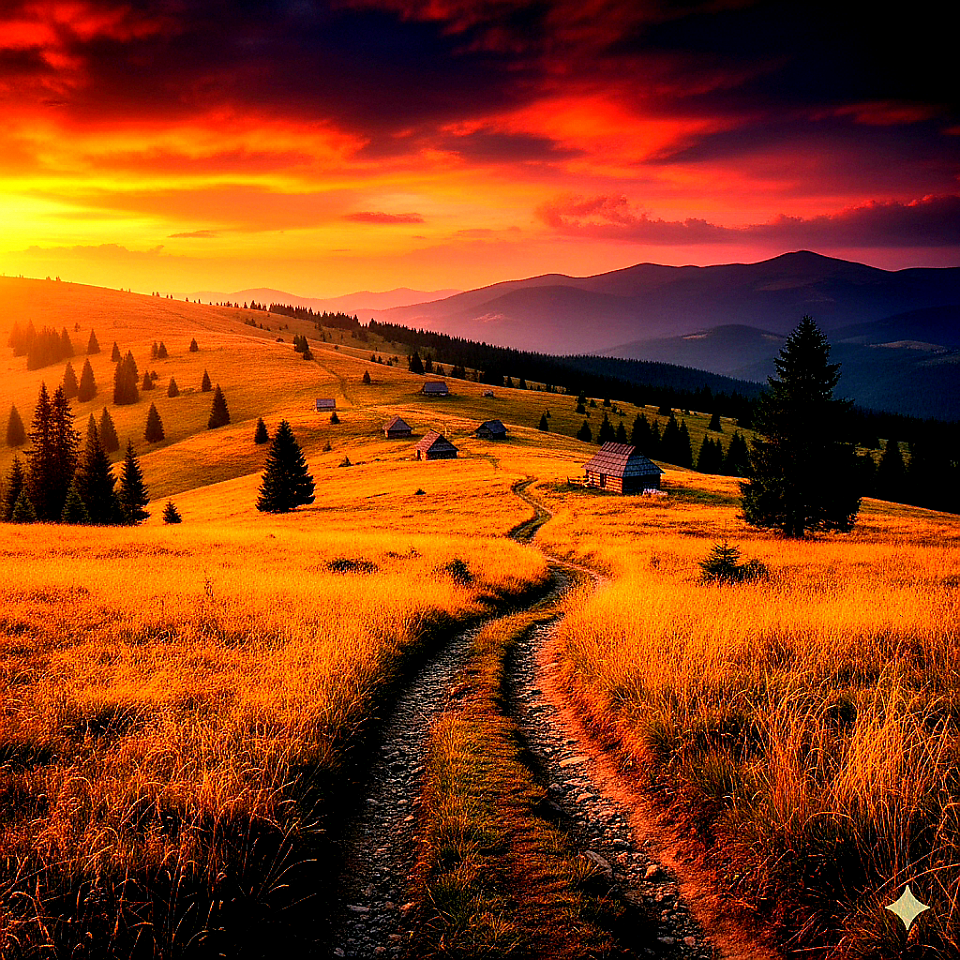
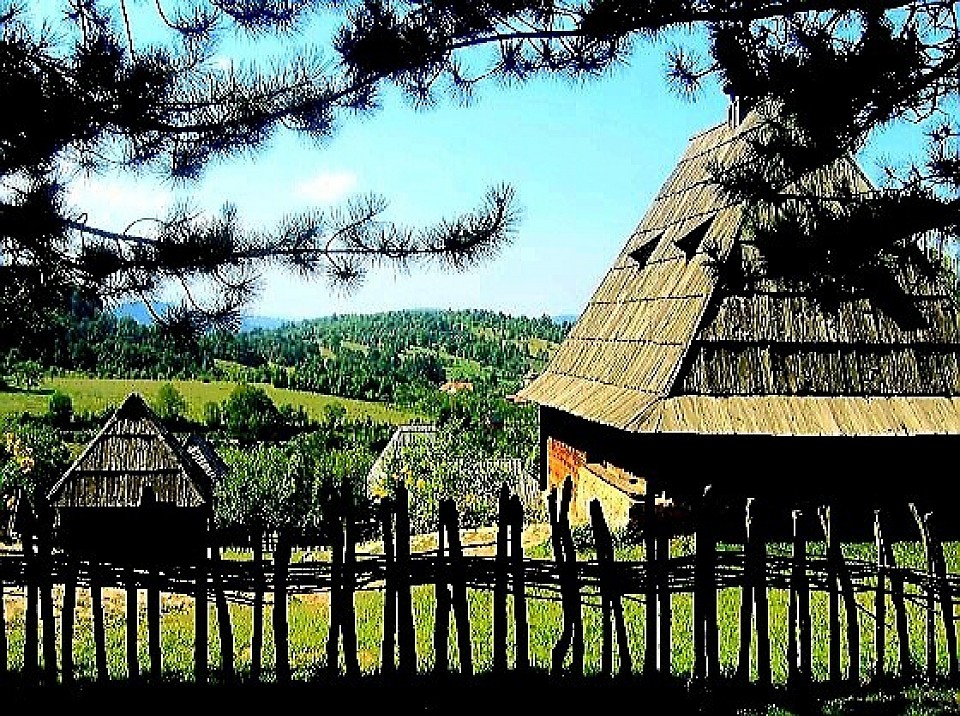
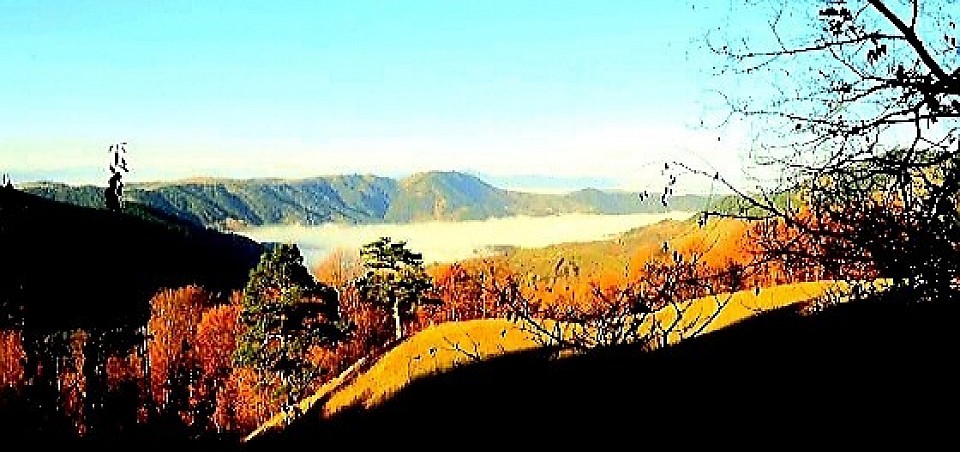
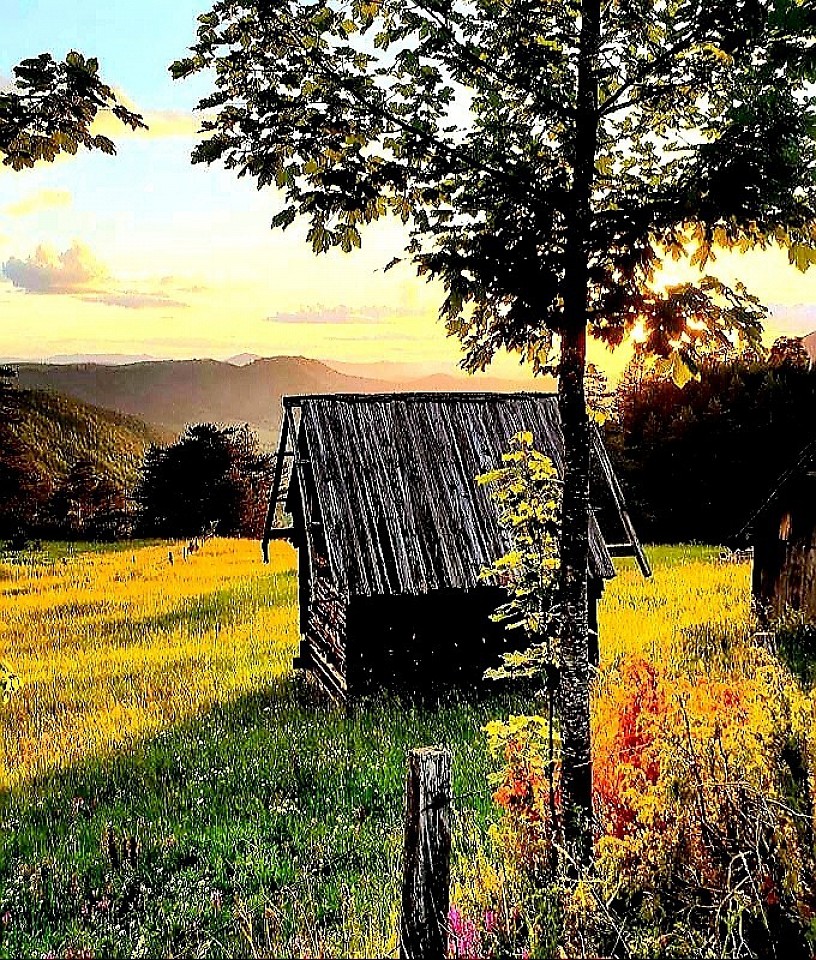
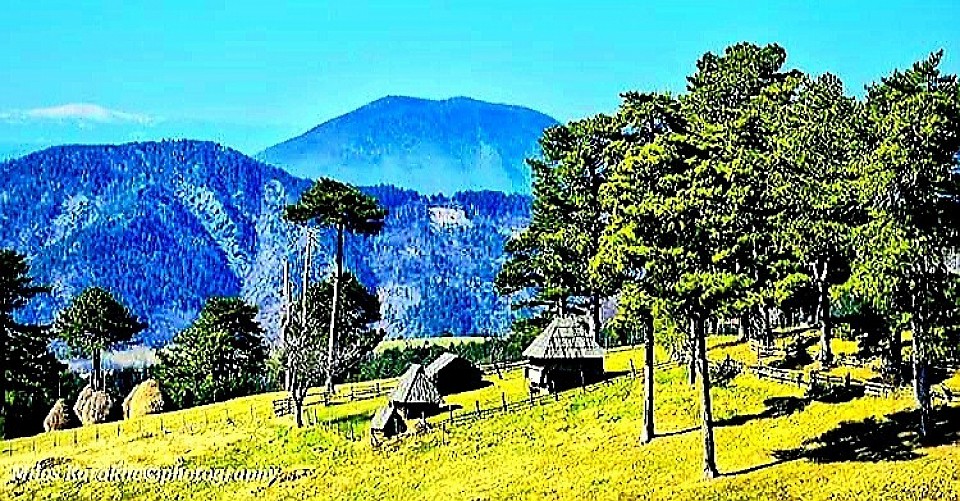
Sunlit villages of Zlatibor – untouched nature and golden pastures that preserve the spirit of old times and Serbian tradition
Rožanstvo, Kriva Reka, Jablanica, Dobroselica
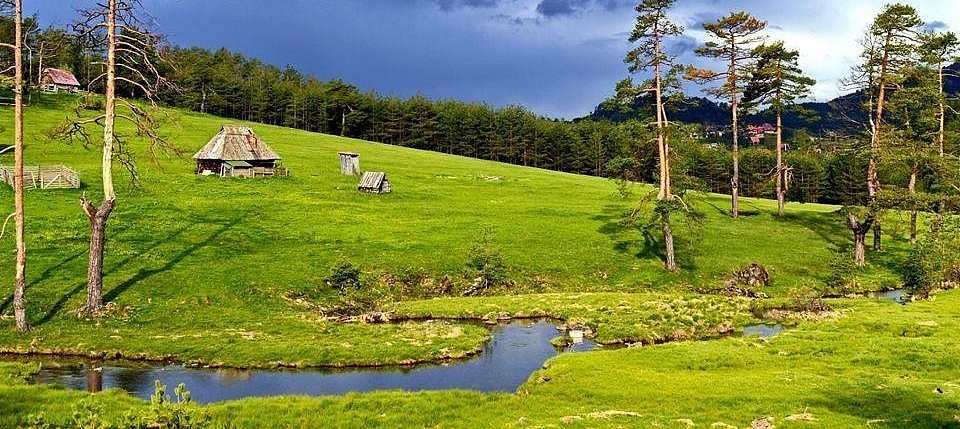
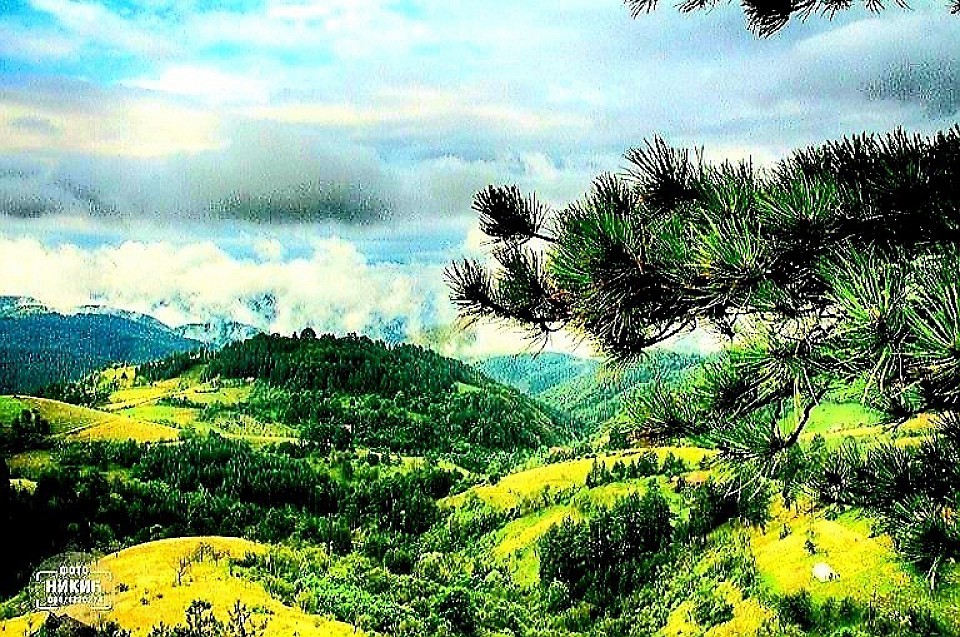
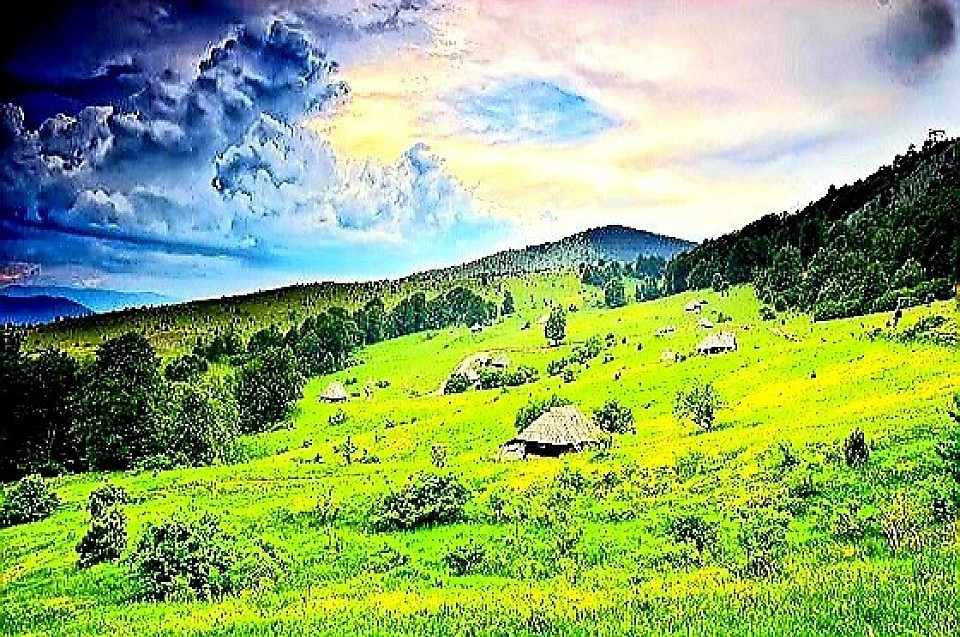
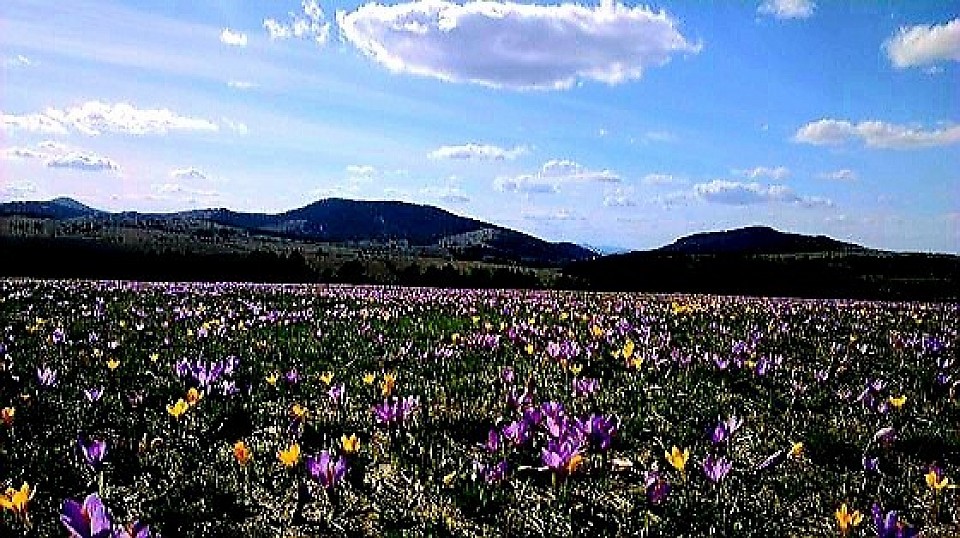
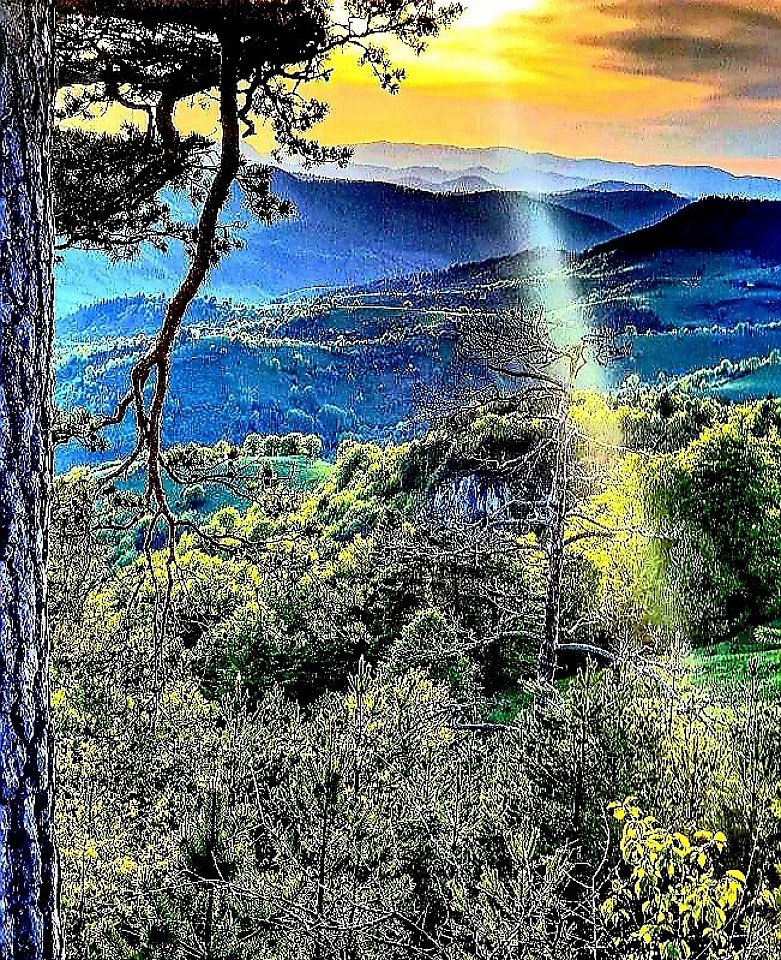
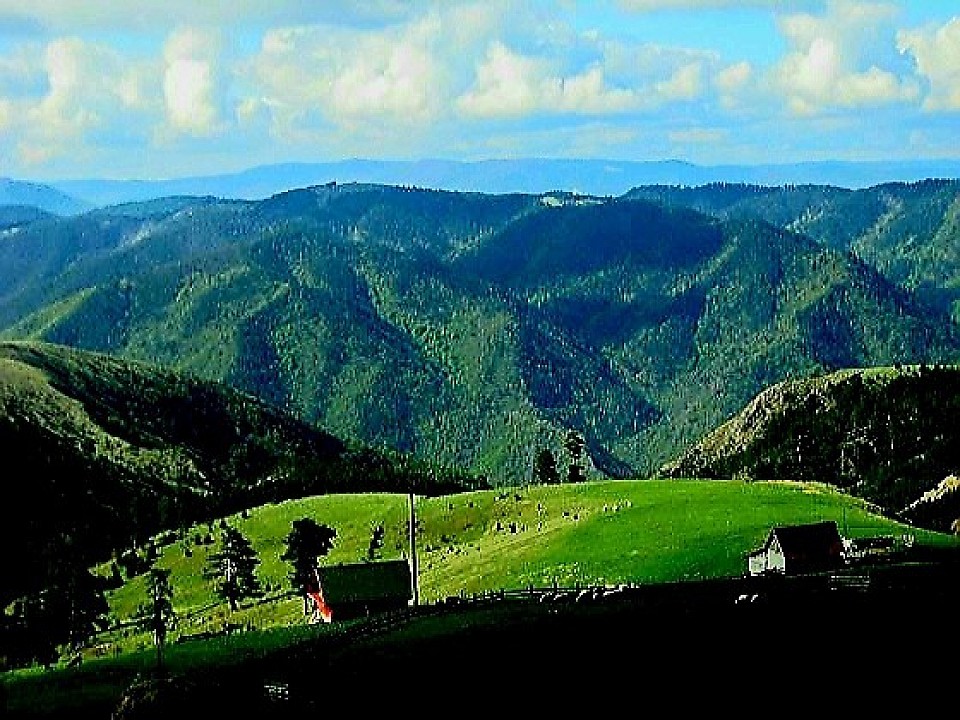
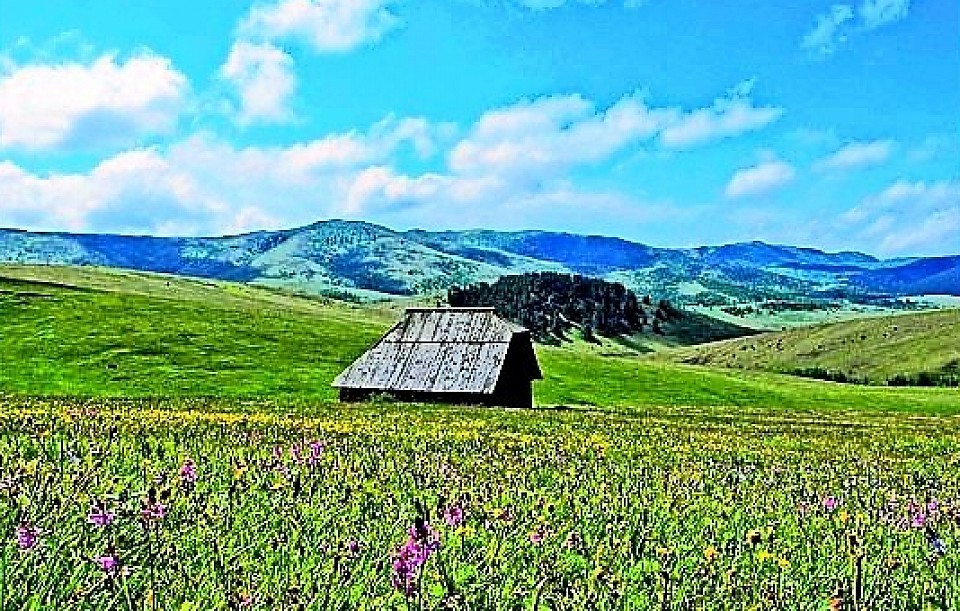
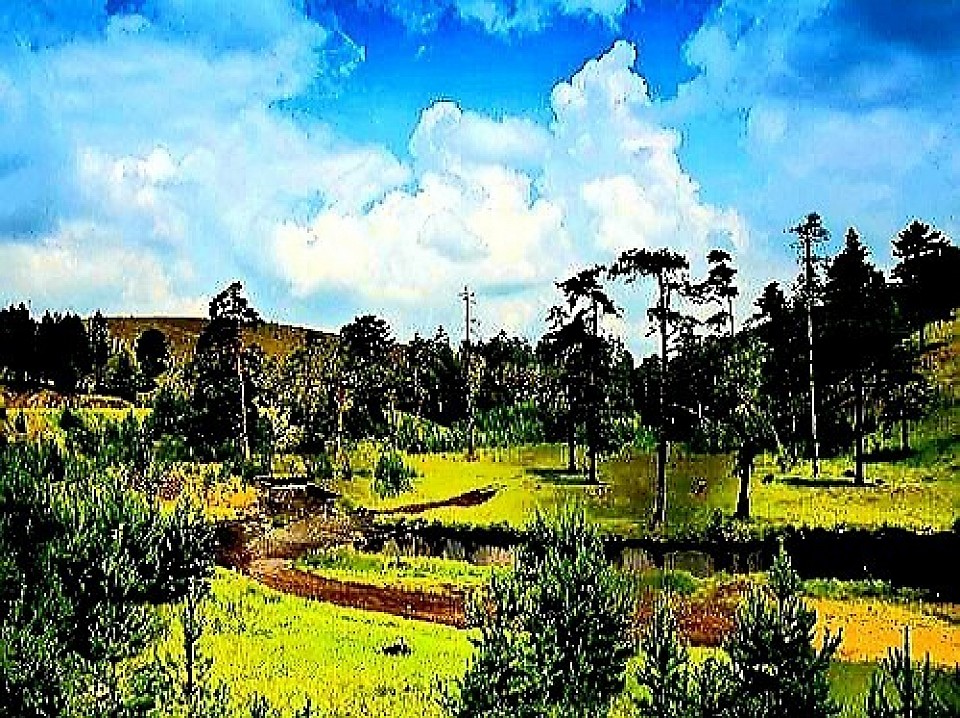
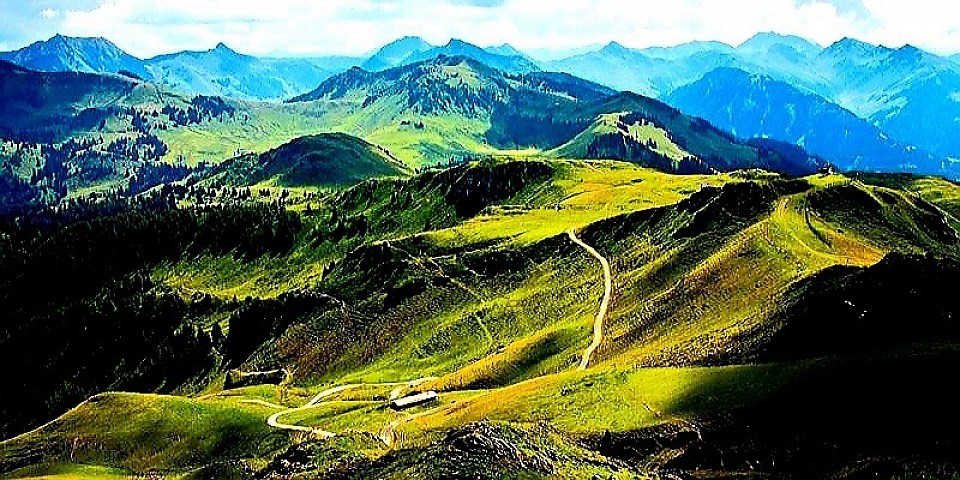
Peace and quiet of the mountain plateaus - authentic landscapes of the Zlatibor region, close but far from the noise and crowds of the tourist center
Semegnjevo, Šljivovica, Grovasnica, Tripkova
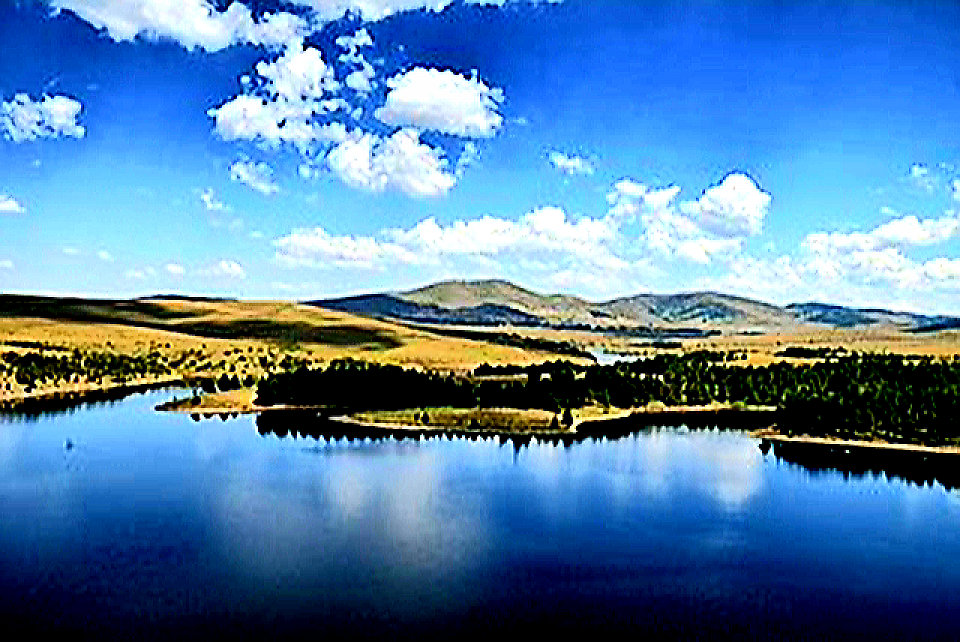
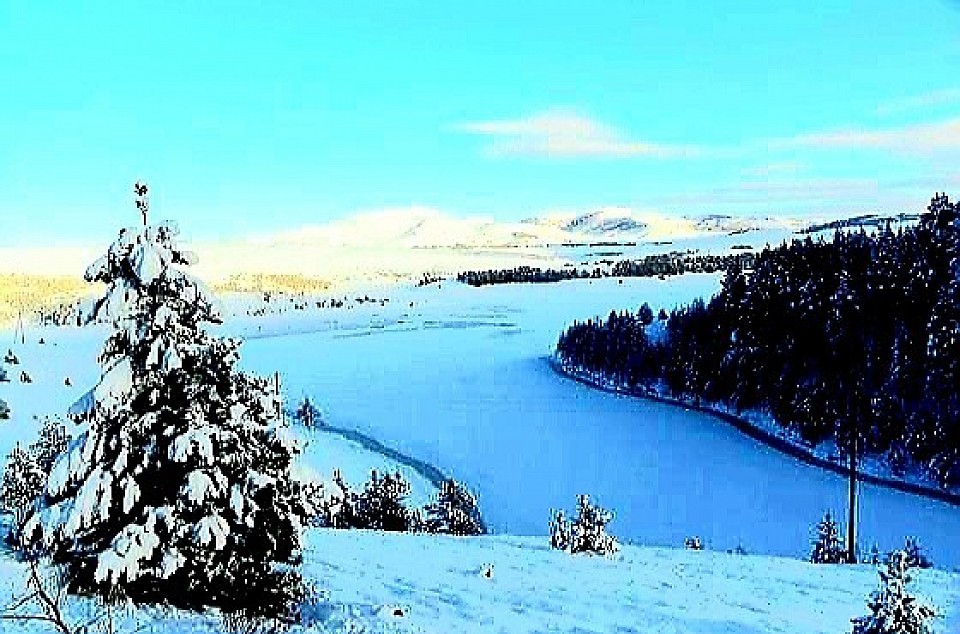
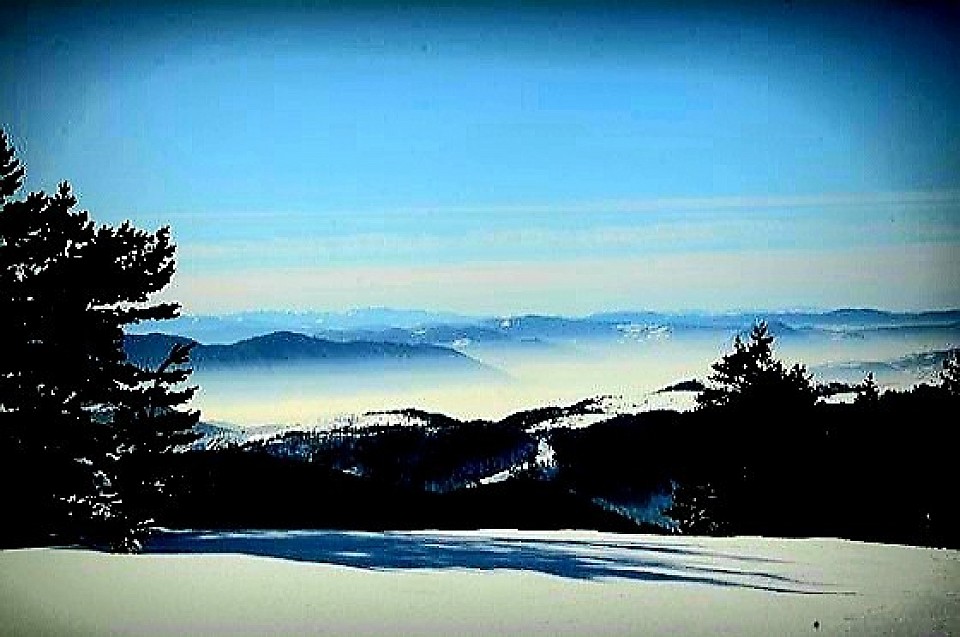
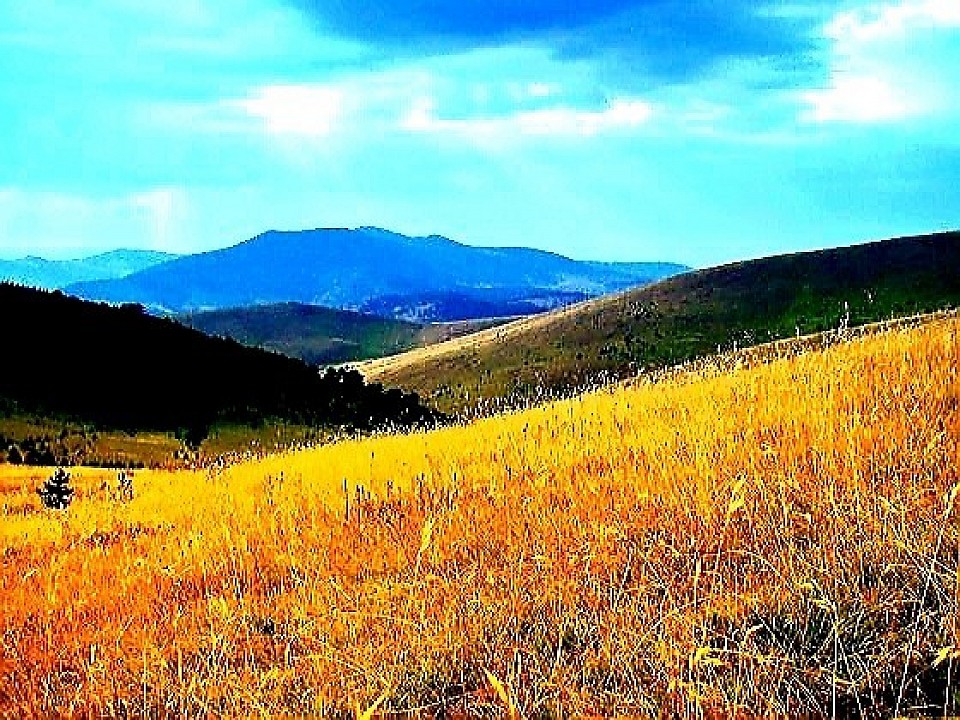
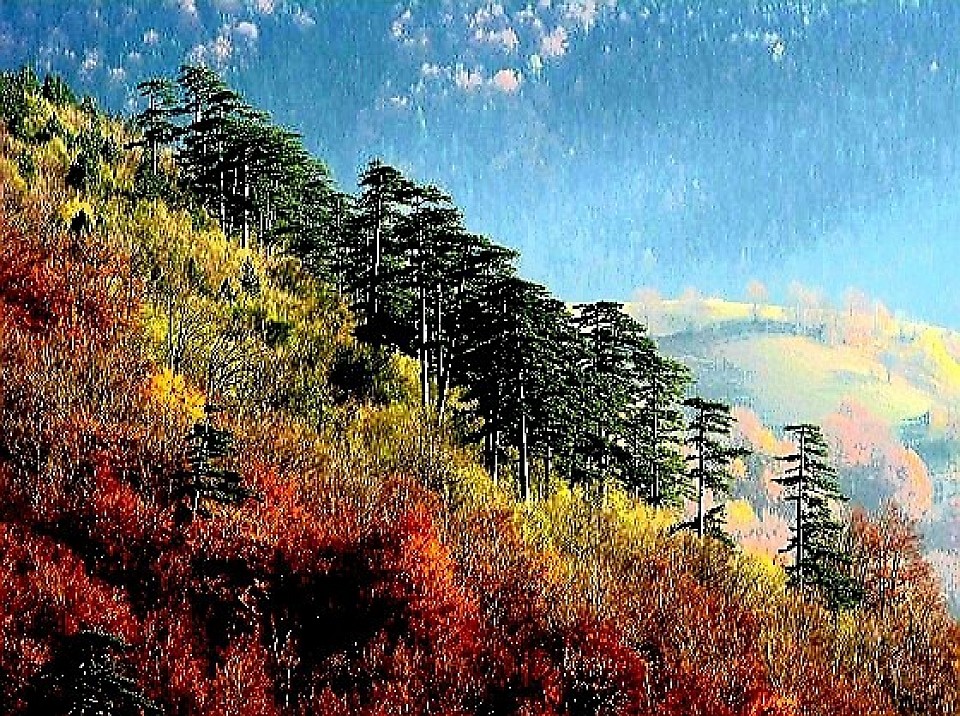
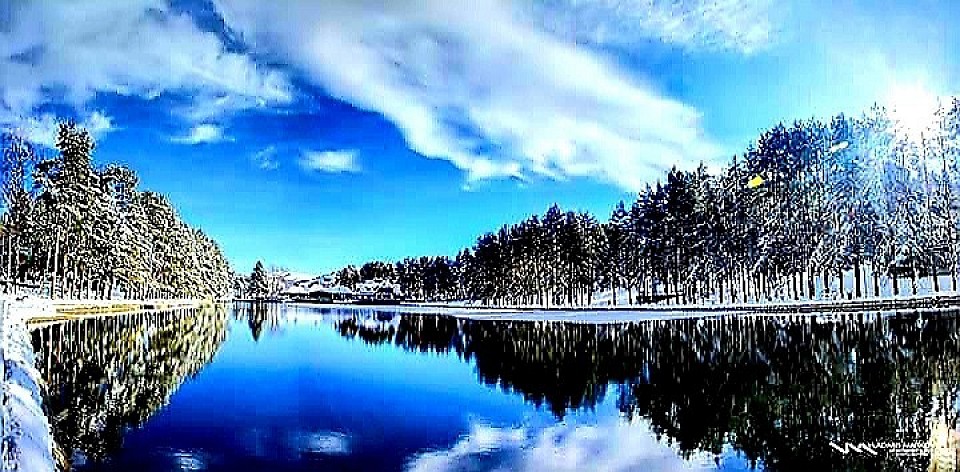
Zlatibor's idyll under the clear sky - health trails and clean mountain air in the hidden villages of western Serbia
Semegnjevo
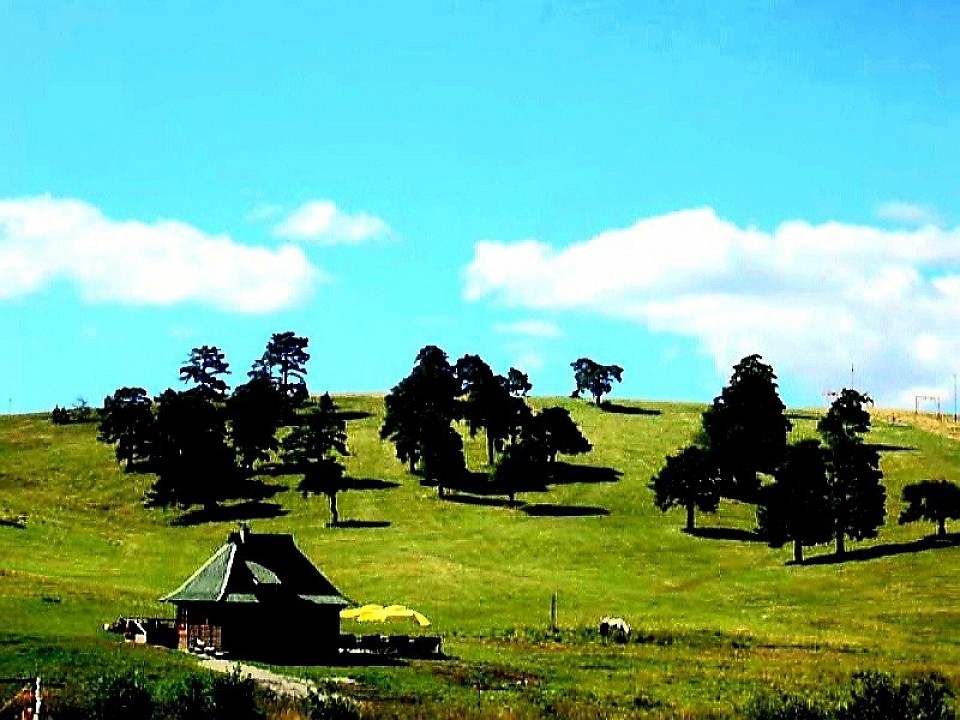
Semegnjevo is located on the western edge of the Zlatibor plateau , tucked away in the lee of the hills that separate it from the mighty Tara River and the Bosnian mountains . This is a village for those seeking absolute silence, for those who are bothered by city noise and who want to hear how the mountains really breathe. Located at an average altitude of about 900 meters, Semegnjevo has been a symbol of freedom and self-sufficiency throughout history. People did not come here by chance; they came to Semegnjevo to hide, to survive and to save their family. Today, it has become one of the most sought-after destinations for true nature lovers, because it has retained that archaic appearance that modern tourism often inadvertently destroys. The vast pastures of Semegnjevo, dotted with groves of white pine and birch , are reminiscent of the most beautiful landscapes of Switzerland, but with that recognizable Serbian homely spirit that is felt in every respect.
What sets Semegnjevo apart from all the other Zlatibor villages is its incredible water wealth. This village lies on the water. The Beli Rzav River, which is formed by the merging of numerous streams in the area of the village, was the lifeblood of this area. Throughout history, Semegnjevo was known as the village of watermills . There used to be dozens of them, and the sound of the mill grinding corn and wheat was a symbol of prosperity. Although most of the watermills have stopped working over time, the locals have managed to preserve a few of them, which are now real tourist attractions , but still functional objects. A visit to the old watermill in Semegnjevo is a journey through time; the smell of freshly ground flour, the coolness of the water that drives the wooden stream, and the peace that reigns inside, remind us of a time when food was valued much more than it is today. Here you can buy "potočar" flour, which has a completely different taste and texture, because the grain is not ground at the speed of industrial machines, but slowly and coldly turns into powder under the weight of Zlatibor stone.
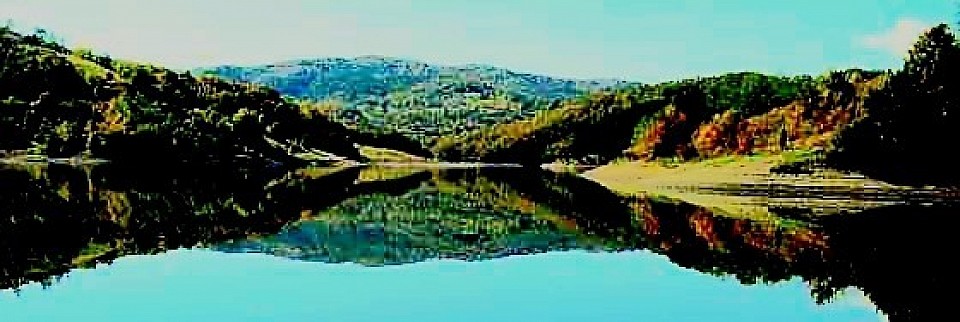
In addition to the mills, Semegnjevo is known for its natural lakes and ponds that were created by damming mountain streams. The most famous are the picnic areas near the place called “ Kod Komša ” and “ Zlatiborska jezera ”, where nature has remained almost untouched. The water in these lakes is ice-cold even in the middle of July, which is the best possible refreshment for those escaping the hot asphalt of Zlatibor. Around the lake there are walking trails that lead through dense forests where deer and rabbits can often be seen, and the most persistent hikers can head to the top of Čigota or to the border with Tara . The air in Semegnjevo is so clean that it is used as a natural therapy for those with respiratory problems; locals say that one day in Semegnjevo is like seven days in any spa.
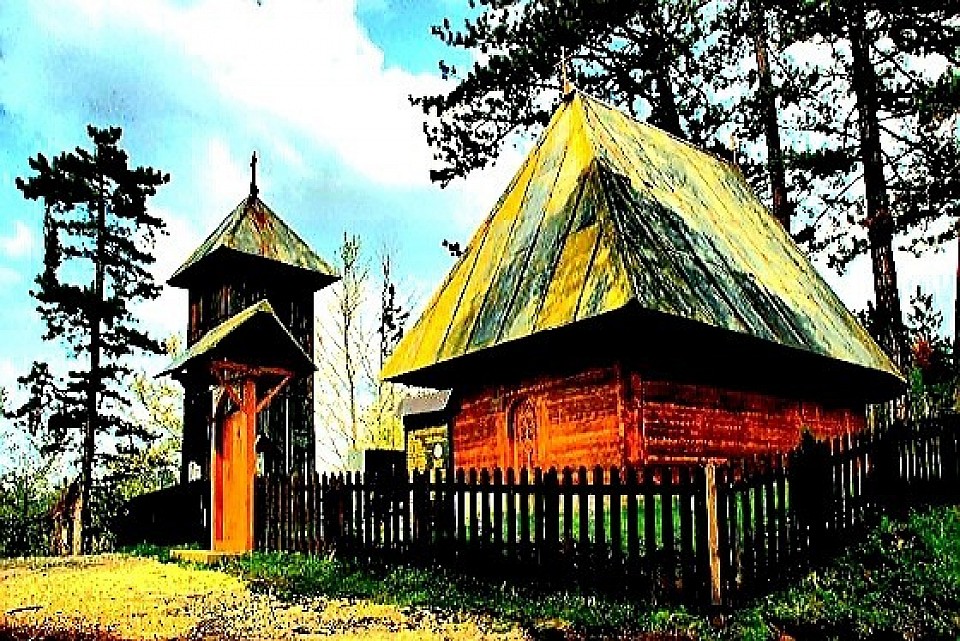
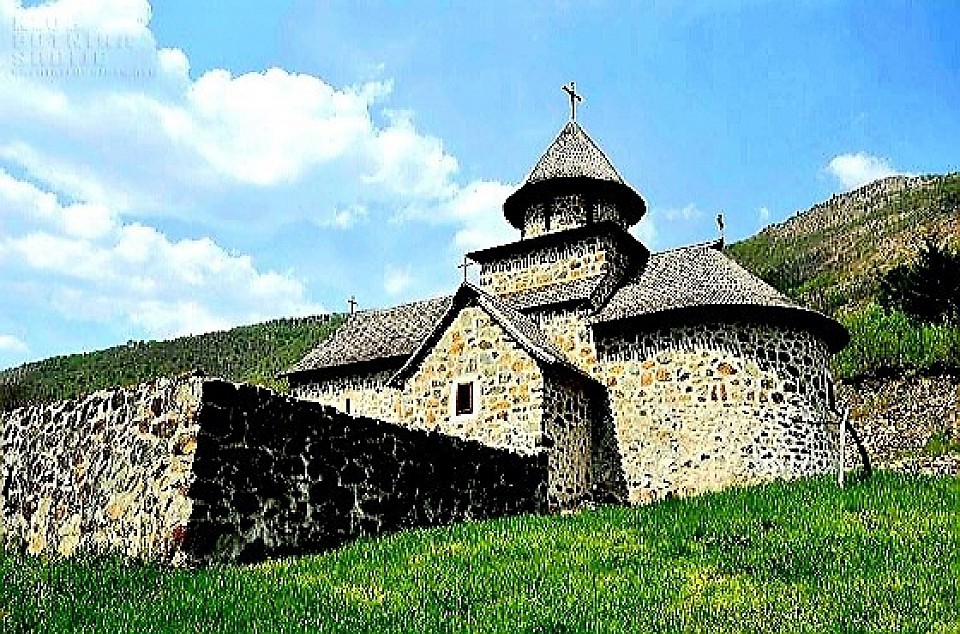
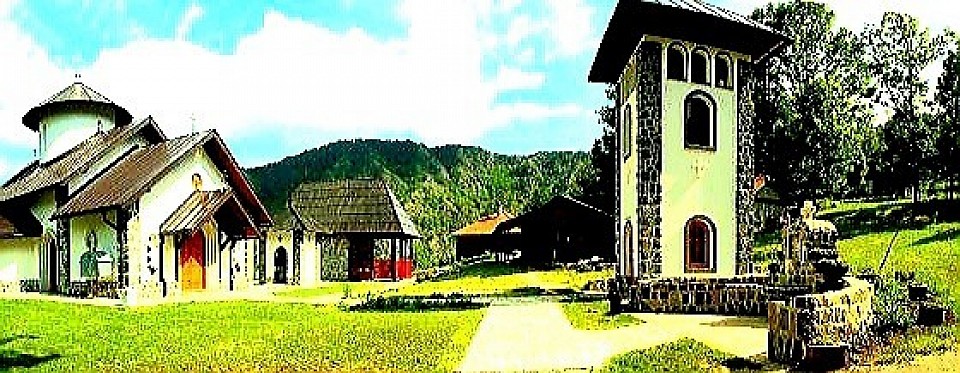
The spiritual life of the village is centered around the Church of the Nativity of Saint John the Baptist . This shrine, built of wood and stone, reflects the modesty and piety of the local people. The church gate is a traditional place where locals from all the hamlets of Semegnjevo gather for Midsummer Day – from the Upper to the Lower Village. Then, Midsummer flowers are picked, wreaths are woven to decorate the gates of homes, and old original songs are sung. Semegnjevo is one of the rare places where you can still hear the true, uncorrupted Erske speech, full of metaphors and folk wisdom. People here are modest, but very proud of their origins. Every family , whether they are Kostadinović, Marić, Pašić, Đelebđić or Jovanović , protects their land as the greatest sanctuary, not allowing urbanization to erode it.
Economically, Semegnjevo relies on livestock farming, but in a specific way. Here, sheep and cattle are allowed to graze freely throughout the day, which gives the meat and milk a special quality. Semegnjevo lambs are highly prized throughout Serbia precisely because of the untouched grass and water they drink. The village is also extremely rich in forest fruits. When blueberries, blackberries or mushrooms (boletus and chanterelles) are in season, the entire village is in the forest. This is an additional income for the hosts, but also a way of life that keeps them in constant contact with nature. Recently, rural tourism has begun to flourish. The locals are converting old huts into modern but authentic apartments for guests who want to sleep on wool mattresses, have hot cicvara for breakfast and a complete bun cooked in a wood-fired oven.
One of the most interesting historical stories related to Semegnjevo is its connection to the old caravan routes . For centuries, traders carrying salt from Dubrovnik and silk from Constantinople passed over these hills. The remains of these roads, paved with stone, can still be seen in some places. Semegnjevo was then an important rest stop for caravans, a place where livestock was exchanged and where travelers received protection from hajduks. This trading history has left its mark on the ingenuity of the people of Semegnjevo; they are excellent negotiators and very bright people who are not easily “sold a horn for a candle”. Their hospitality is legendary, but sincere – they will host you as the most born, but they will expect you to respect their household rules and the mountain that feeds them.
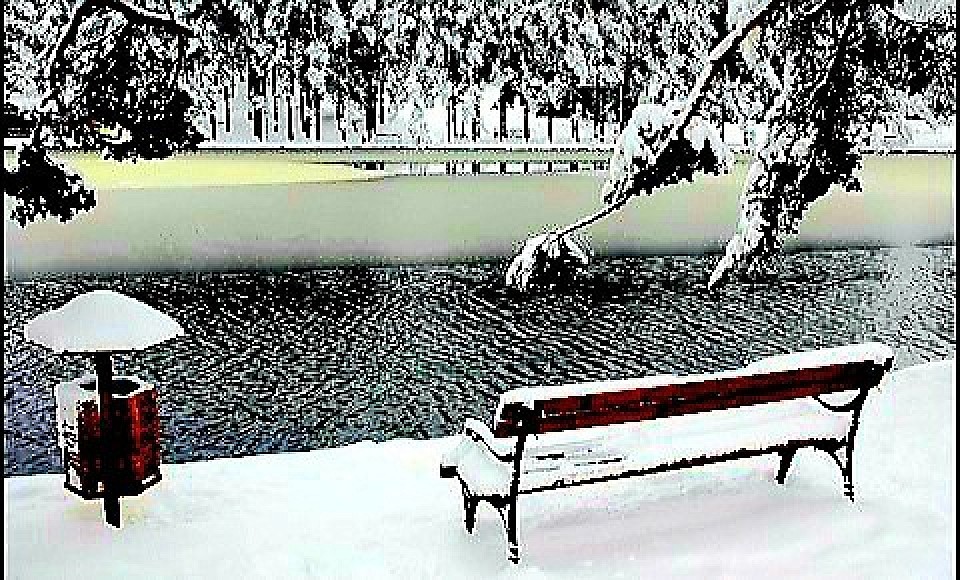
Winters in Semegnjevo are a special story. When the big Zlatibor snow falls, the village often finds itself cut off from the world for several days. That's when real mountain life begins; houses are heated with large beech logs, families gather around the fireplace , and the only sound outside is the crunch of snow underfoot and the howling of the wind. For lovers of winter idyll, Semegnjevo is then heaven on earth. There are no ski lifts or crowds, just whiteness that bursts before the eyes and peace that nothing can buy. That's the time when the best legends are told - about the golden carriages buried in Rzav, about the heroism of Semegnjevo fighters in World War I, and about fairies that help good hosts.
Semegnjevo is, in fact, the last oasis of untouched Zlatibor. It provides an insight into what this mountain looked like before skyscrapers and shopping malls were built on it. A visit to this village is a healing experience for modern man. Here you learn to listen to the murmur of water again, to distinguish the smell of pine from the smell of birch, and to appreciate a moment of silence. Semegnjevo is not just a place on the map; it is the guardian of the soul of Zlatibor, a beacon of tradition that shows us that happiness is found in simplicity and harmony with nature. Whoever spends a night under the Semegnjevo sky once will forever return to this village of mills and springs, because what Semegnjevo offers a person, no city in the world can give him.
Plum brandy
Šljivovica occupies a strategic position on the northern slopes of Zlatibor , serving as a natural bridge between the Užice Valley and the plateau of the mountain itself. Situated at an altitude that varies between 700 and 900 meters, Šljivovica is blessed with a climate that is slightly milder than that of the highest peaks, which has historically enabled the development of fruit growing, after which this village was named. But Šljivovica is much more than an orchard; it is a village that maintains harmony between the harsh mountain life and the tameness that comes from the valley. The name of the village is a protected symbol of Serbian identity , and the locals themselves wear it with pride, aware that they are the guardians of a recipe that has become part of the world cultural heritage . When you step into Šljivovica, the first thing you feel is the hospitality that has been brought to the level of sacredness here – the host's first duty is to present the guest with the best brandy , a toast that has been "sleeping" in an oak barrel for years.
The heart of the economy and the recognition of this village is, of course, the production of plum brandy. Here, the fruit is not sprayed or treated with chemicals; plums grow in clean mountain air, nourished by dew and strong sun. The traditional way of roasting brandy in copper cauldrons, using beech wood, is passed down from father to son as the greatest family secret. The hosts of Šljivovići say that brandy is not just a drink, but a medicine that raises the dead. Every year, the village holds the famous “ Homemade Brandy Fair ” , where producers compete in the quality of their brandy. It is not just an economic event, but a celebration of pride, where the color, smell, strength and “vein” that the brandy leaves on the glass are evaluated. Šljivovići is a village where brandy is respected, where people celebrate, mourn, reconcile and negotiate the most important matters with it.
However, Šljivovica is equally famous for its carpentry . Due to the abundant forests surrounding the village, the locals have developed the skill of woodworking for generations. The best agricultural tools, handles, and artistic objects made of wood are made here. It is especially interesting that Šljivovica has several families that are engaged in the construction of traditional wooden houses - log cabins . This skill of joining logs without nails, only with the help of notches and "fox tails", has been brought to perfection here. Šljivovica craftsmen built half of Zlatibor, and their handwriting is recognizable by the precision and longevity of the buildings. When you see a log cabin that has stood for a hundred years and whose wood has only "burned" (turned black with time) but has not rotted, know that it is probably the work of craftsmen from this village.
The spiritual life of the village is centered around the Church dedicated to Saint Mary Magdalene . This is a newer church, but built with great care, respecting the traditional styles of Serbian medieval architecture. The church has become a new focal point for the gathering of locals, especially the younger generations who have decided to stay in the village. The church gate is designed as a true oasis of peace, with a view of the neighboring hills and forests. Religious holidays in Šljivovica are celebrated with many folk customs that have been preserved since pagan times, adapted to the Christian spirit, which gives the village a special mystical note. People here still believe in the power of " scriptures ", in the healing properties of certain springs and in the importance of neighborly harmony in the face of any temptation.
Geographically, Šljivovica is dotted with numerous hamlets scattered across the hills, each with its own specifics. The terrain is ideal for hiking and mountain biking. The Belgrade-Bar railway passes through the village, as does the main highway, making Šljivovica one of the most accessible villages, but as soon as you move just a few hundred meters from the main road, you enter a zone of complete mountain peace. The numerous viewpoints from which you can see Mokra Gora and Mount Tara are the hidden gems of this village. The air here is “sharp”, but pleasant, often called an “air spa for the heart”.
The village's economy is increasingly turning towards eco-tourism. There is an increasing number of households offering accommodation in authentic vajati. Guests come here to see how rakija is made, how homemade plum jam is cooked in large cauldrons, and how Zlatibor cheese is made. Families like Kostadinović, Milojević, Radulović and others are driving the village's economic development. It is particularly interesting that Šljivovica also has a strong tradition of making woolen items, and in some households you can still find looms on which carpets and blankets are woven with motifs identical to those from two centuries ago.
Šljivovica is also a village of heroes. In the wars for the liberation of Serbia, the Šljivovica Battalion was one of the most famous for its courage. The locals proudly preserve monuments and stories about their great-grandfathers who crossed Albania . That spirit of freedom is still felt today in the character of the people – they are open, direct and very often witty in that specific, aristocratic way. In Šljivovica you will not feel like a stranger; here everyone will greet you on the road, ask where you are from and invite you for a “sour drink” under the shade of an old plum tree.
Winter in Šljivovica has a special charm. Although the snow can be heavy, the proximity of the main road ensures that the village is never completely cut off. Then, in the houses by the “queen” stove, people drink brandy , eat bacon and tell legends about the mountain. That feeling of security and warmth of a village home in the middle of a mountain winter is something that cannot be described, but must be experienced. Šljivovica is actually the image of an ideal Serbian village – hardworking, homely, traditional, and yet open to all who come with good intentions.
Anyone who wants to get to know a true Serbian host , to see what the symbiosis of fruit growing and mountain life looks like, must stop in Šljivovica. This is not just a stop on the way to the sea; this is a destination that offers answers to questions about our roots. Šljivovica is a place where the “gold” of Zlatibor is not measured in money, but in liters of the best brandy, cubes of the healthiest wood and the warmth of a human heart that welcomes you with open arms. This village is the pride of Zlatibor, a place where tradition flows like brandy from a cauldron – clear, strong and unforgettable.
Tripkova
Tripkova is located on the northern slopes of Zlatibor , on the border with Mokra Gora and the slopes that descend towards the Sušica River . This village represents the perfect blend of Zlatibor tradition and modern artistic sensibility. It is located at an altitude of about 800 meters, which gives it a pleasant microclimate - summers here are fresh and fragrant, and winters are fairy-tale, with snow covering the hills and old orchards. Tripkova has long been a hidden gem of the mountain, known only to locals for its clear springs and fertile soil, but in the last few decades it has become an indispensable point for all lovers of art and aesthetic enjoyment. What sets Tripkova apart is the silence that has a special weight here; it is not empty silence, but that calming peace that encourages creativity and reflection.
The biggest brand of this village, besides its nature, is the artistic glass workshop " Tiffani " , run by the Vesović family. This workshop is actually a cultural wonder of Zlatibor. In the heart of a mountain village, where you would expect only cattle breeding, the Vesović family has been creating masterpieces of glass using the stained glass and fusion techniques for decades. Their works - from large stained glass windows in churches and hotels, to small decorative objects and lamps - have toured the whole world. A visit to this workshop is like entering another world; the collision of mountain stone and fragile, colored glass creates an unreal contrast. The locals of Tripkova are proud of this fact, because the art of glass has brought a refinement to the village that few other places in the Balkans have. Here you can learn that Zlatibor is not just a "rough" mountain, but a place that nurtures fine aesthetics and top craftsmanship.
The spiritual center of Tripkova is the Church dedicated to St. Nedelja . This temple is small in size, but exudes unreal warmth and beauty. The church gate has been decorated with great care and is a gathering place for locals during religious holidays and village vows. The church is a symbol of the unity of families from Tripkova, who, with their contributions and work, have helped this place become a true spiritual beacon. The belief in St. Nedelja as the protector of the village is deeply rooted, and the folk customs practiced here carry elements of the old Serbian tradition that is jealously preserved. Village councils in Tripkova are majestic and quiet, without much noise, oriented towards respecting ancestors and preserving the image of the family.
The nature of Tripkova is a special story. The village is crisscrossed by numerous paths that lead through birch forests and over pastures that are covered with mountain flowers in summer. One of the most beautiful parts of the village is the view overlooking the Sušica River . This river, which gets its name because it often floods during the summer, has created a harsh but beautiful environment with high cliffs and hidden caves. For hikers and nature lovers, Tripkova is the starting point for many exploration tours. The village area also contains the remains of old castles, which indicate that this area was inhabited in ancient times . The mysticism of this area is enhanced by stories about old roads that Roman soldiers and Dubrovnik merchants once passed through.
The village economy is diverse. Although glass art is the most famous, Tripkova is still a strong agricultural village. High-quality fruit is grown here, primarily plums and raspberries, and livestock farming has retained its traditional form. Dairy products from Tripkova have a specific sweetness, and the hosts are known for making prunes and jam cooked on an open fire. More and more young people are returning to Tripkova from Užice or Čajetina, recognizing the potential of rural tourism. Accommodation in the village is mainly in authentic wooden houses that are adapted to the modern guest, but in a way that does not disrupt the natural harmony. A guest in Tripkova is not just a client, but someone who becomes part of the village's everyday life, participating in craft work or walks to the spring.
Family surnames in Tripkova , such as Vesović, Radojićić, Todorović, Knežević and others, represent the pillars of the community. These people are known for their brilliance, but also for their specific Albanian sense of art and beauty. In Tripkova, it is said that “every other person is a little bit of an artist”, whether they work with glass, wood or knit the most unique woolen sweaters. This creative streak is what gives the village its special atmosphere. Handicrafts and precision are still valued here, and respect for tools and materials is part of the home upbringing.
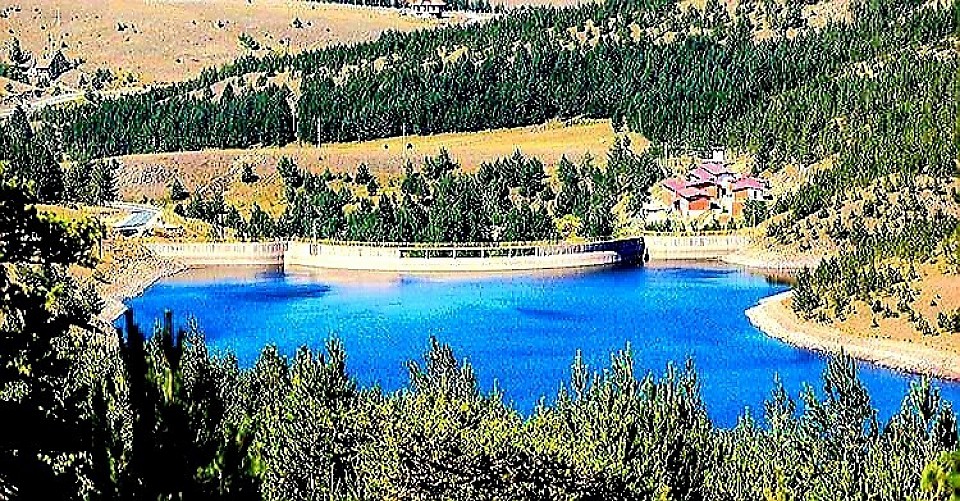
One of the interesting things is the proximity of Lake Vrutci , which partly leans against the village's terrain. This lake offers opportunities for fishing and refreshment on hot summer days, and the view of the lake from the Tripkovac heights is one of the most photographed scenes in this area. The air in Tripkova is a mixture of mountain sharpness and the scent of the river valley, which creates ideal conditions for those who have problems with sleep or fatigue; it is said that one can sleep in one night as well as in three days in the city.
Winter brings a special peace to Tripkova. When the fog descends into the Sušica canyon and the hills turn white, the village looks like something out of a Grimm Brothers fairy tale. Then life moves into the houses, with warm fireplaces and stories about how things used to be. The people of Tripkova are known as great hosts who prepare the best “boiled brandy” and homemade dried meat during the winter. That feeling of security and warmth, while the mountain wind howls outside, is something that is deeply etched in the memory of everyone who visits this village.
Tripkova is actually proof that a village can be both modern and traditional at the same time. It shows us that the mountain is not only a place for hard work, but also for high art and a refined life in harmony with nature. Anyone who wants to experience a different Zlatibor, one that is not just a “set of buns and cream”, but also stained glass, silence and a view into eternity, must come to Tripkova. This village is the artistic soul of Zlatibor, a hidden corner where light refracts through glass and through the purest water sources, leaving a trace of beauty in every guest that is never forgotten. Tripkova is a place where creation is created for eternity, while preserving the most valuable – human kindness and mountain peace.
Zeljine, Gostije, Stublo
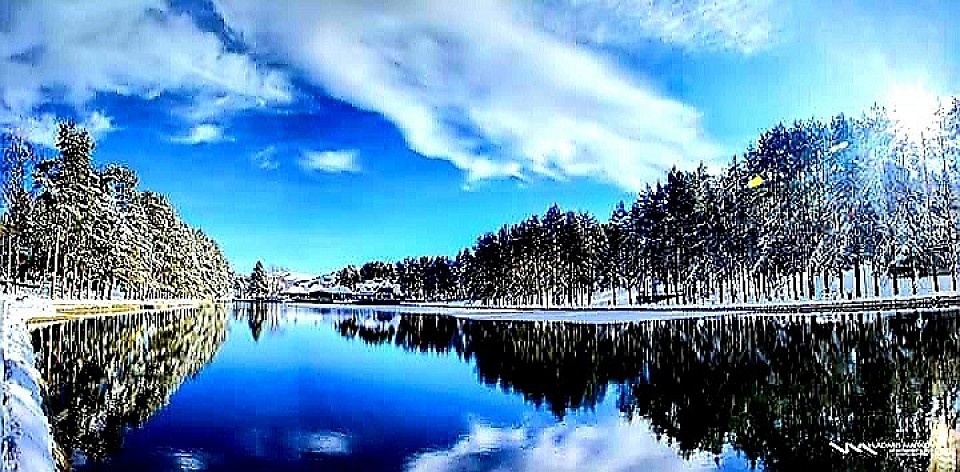
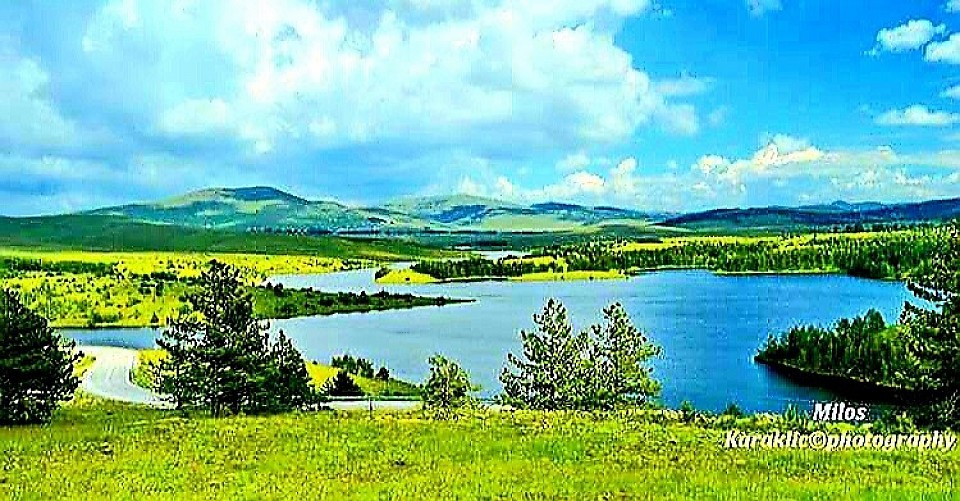
Old Zlatibor and the view of the lake before major construction – an authentic postcard from times gone by
Desires
Željine is one of those villages that seem to float between central Zlatibor and the high slopes of Čigota . This is a place that many travelers only see from a distance as they climb to higher peaks, but few turn off the main road to discover what is hidden in its hamlets. And there is a true mountain idyll hidden there – a village that got its name from the “ wish ” of the first settlers to find a peaceful and fertile place protected from harsh mountain storms. Željine is located at an altitude of about 900 meters, where the sun’s rays linger the longest during the day, making this village one of the warmest and most pleasant to live in on the entire plateau. This is a village of orchards, clear streams and people who have a special, cheerful spirit, characteristic of those who live on the sunny sides of the mountain.
The geographical location of Željine is ideal. The village is located in a natural amphitheater that protects it from cold northern winds, while at the same time it is open to the south. It is this microclimate that has enabled Željine to become one of the centers of Zlatibor fruit growing. While in other villages only the most resistant plums thrive, in Željine you will find pears, apples, and even some old varieties of cherries that bear fruit here as in the lowlands. The pastures surrounding the village are soft and rich in flowers, which in summer transform Željine into a colorful carpet that smells of nectar. The water in Željine is a special pride of the locals; there are several strong springs here that have been said for centuries to have invigorating powers, and which never, even in the greatest droughts, dry up.
The history of Željine is a story about small, family communities that managed to preserve their property and their identity over the centuries. Unlike villages that were hit by major wars, Željine, thanks to its “sideways” position, managed to remain an oasis of peace. This contributed to the preservation of old log cabins and auxiliary buildings in the village, which are true examples of Zlatibor folk architecture. Families such as the Stanići, Marići, Jankovići and others have passed on knowledge about cultivating the land and keeping livestock for centuries. The Željine people are known as very thrifty and wise hosts who “measure twice, cut once”, but who will give their last penny for a friend and guest.
The spiritual life of Željine is quiet and direct. The locals are attached to the churches in neighboring villages , but there are numerous places in the town itself that are considered holy. These are mostly old oak trees or springs where people gathered at crucial moments. Order is still respected in Željine – you know when to go to the field and when to rest. The village festival is a holiday of joy here, when the gates are decorated and when the best brandy that has been “aged” in oak barrels for years is brought out from the cellar. The people of Željine are especially proud of their tradition of toasts; here, every important occasion is marked with words full of wisdom, blessings and a sense of humor.
The nature around Željine is as if created for those who love exploring without much effort. The paths leading to the slopes of Čigota offer unreal viewpoints of the entire Zlatibor plateau. From the higher elevations of the village, you can see the lights of Čajetina and the center of Zlatibor come on at dusk, while you enjoy the complete silence of your clearing. The air here is a mixture of mountain ozone and the scent of blossoming fruits, which creates a unique aromatherapy outdoors. Željine is also home to many species of songbirds , so spring mornings in this village are a real musical celebration.
The village's economy is stable and rests on the hardworking hands of its residents. Željine is known for its production of top-quality honey, as the diversity of plants allows bees to make honey of incredible taste and quality. In addition to beekeeping, livestock farming is still strong, but on slightly smaller, "farmer" estates where each head of cattle is looked after with special care. Dairy products from Željine are known for their sweetness, and the housewives are masters of making pies and bread under a straw roof. There is also increasing interest in buying old houses in Željine from people from cities, who recognize this village as a perfect retreat for a vacation.
One of the interesting things about Željine is the preservation of old agricultural tools and machines that can still be seen in some households. It is not just a museum exhibit, but also proof that nothing is thrown away in this village and that everything valuable is preserved for future generations. The people of Željine are very bright people, often inclined to craftsmanship and innovation – here you will find homemade machines that make work on steep slopes easier, which testifies to their ingenuity.
Winter in Željine is a fairy tale because the village, due to its leeward location, is never hit by the worst blizzards. The snow falls “softly” here and covers the orchards, creating scenes reminiscent of the most beautiful fairy tales. This is the time when the locals are engaged in handicrafts – men work with wood, and women knit the famous Zlatibor sweaters . Life then moves into the houses, but the hospitality does not stop; Željine is at its most beautiful for special guests who know how to appreciate the peace and warmth of a homely hearth .
Željine is, in fact, a village of fulfilled wishes for anyone seeking harmony with nature . They show us that the mountain does not have to be only harsh and harsh, but also gentle and hospitable. A visit to Željine is medicine for the soul, a return to a time when people rejoiced in the sun and clean water. This village is a hidden gem of Zlatibor, a place where every visitor feels welcome and where the beauty of life is measured by the smiles of the locals and the sweetness of the fruits that grow on their slopes. Željine is the quiet song of Zlatibor, which should be heard with the heart.
Hostel
Gostije is located about 25 kilometers from the tourist center of Zlatibor , located on the slopes that gently descend towards the valley of the Katušnica River. The name of the village comes from the word “ hospitality ”, and this is not just a linguistic coincidence. The locals of Gostije have been cultivating the cult of the guest for centuries, considering every traveler of good will to be protected and holy. This village was built on water and from water; it is a true hydrological oasis of the mountain. While other parts of Zlatibor are sometimes stingy with springs, Gostije is teeming with life and water streams that intersect every property. At an altitude of about 1,000 meters, Gostije offers air that is so clean and crisp that the people believe that it cures every disease of the lungs and soul. The landscape of Gostilje is unreal – it is long, lush meadows that end in dense coniferous forests, while in the distance you can always hear the sound of water cascading down the cliffs.
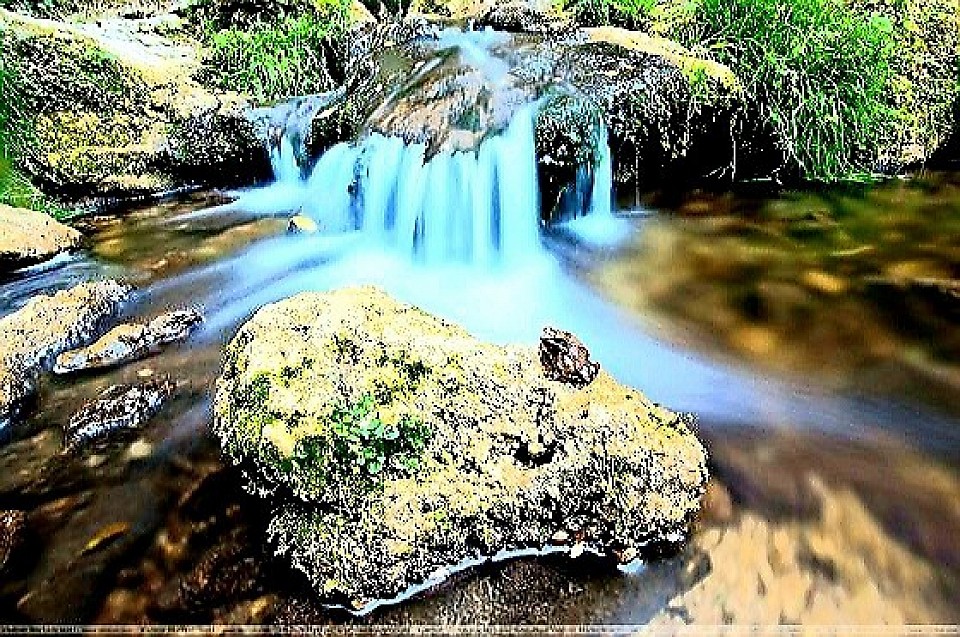
The greatest pride of the village and one of the most recognizable symbols of the entire Zlatibor is the Gostilj Waterfall . Located on the Gostiljska River, before its confluence with the Katušnica, this waterfall is 22 meters high and is one of the highest and most beautiful waterfalls in Serbia . But the waterfall is not alone; downstream from the main waterfall there is a whole series of smaller waterfalls, whirlpools and rapids that create a fairy-tale atmosphere. Local legends say that mountain fairies used to gather under this waterfall at night, who enchanted young men with their songs and healed wounded heroes. Today, the area around the waterfall is decorated with walking paths, wooden bridges and lookouts, but it still retains that wild, primordial power. The smell of wet moss and tiny drops of water floating in the air make this place a natural inhaler.
Gostije is also a place of great historical importance, as it was the birthplace of Dimitrije Tucović , the founder of the social democratic movement in Serbia and one of the most prominent political thinkers of his time. His birthplace , a typical Zlatibor log cabin covered with shingles, is today a museum under state protection . The interior of the house preserves authentic objects, a fireplace and furniture from that period, giving visitors an insight into what life was like for an educated priestly family in the 19th century on Zlatibor. Tucović learned his first lessons about justice and freedom here, observing the difficult life of a Zlatibor peasant, but also his unwavering dignity. The residents of Gostije proudly preserve the memory of their famous countryman, and his monument in the center of the village reminds us of the connection between a small mountain village and great European ideas.
The spiritual life of the village is linked to the Church of the Holy Trinity. This sanctuary is a peaceful haven for the inhabitants of Gostilje, a place where they pray for rain during dry summers and for protection from storms. The church gate is an oasis of silence, surrounded by centuries-old trees, where old village customs related to people's health and the protection of livestock are still maintained. Religious holidays, especially the Holy Trinity , are celebrated here with great devotion, and the women of Gostilje are known for their skills in preparing dishes and ritual breads that look like true works of art.
The economy of Gostije is inextricably linked to water and pastures. The village is known for producing top-quality trout, which is raised in ponds at the very sources of the Katušnica River. The water is so clean that it does not need to be filtered, which gives the fish an incredible taste and firmness of the meat. In addition to fishing, livestock farming is still the main occupation of many families. Gostije cheese and cream are famous for their yellow color, which comes from the specific mountain herbs that the cows graze on. Gostije has also become a leader in rural tourism. Households offer accommodation in huts overlooking waterfalls, and guests come here from all over the world to feel the energy of the water and mountains. Here you can also buy homemade honey, wild pear brandy, and hand-knitted woolen products.
The nature around Gostije offers countless opportunities for exploration. The Katušnica River is rich in fish and crustaceans, which is a sure sign of ecological purity. The canyon of this river is somewhat inaccessible, which makes it a paradise for adventurers and true lovers of untouched wilderness. Around the village there are trails that lead to peaks from which, as if in the palm of your hand, you can see the entire Polimlje and the mountains in neighboring Montenegro. The air in Gostije is so rich in oxygen that it takes several days for the body to get used to that amount of freshness; locals jokingly say that those who live here are “doomed to longevity”.
Families from Gostilje , such as the Tucovići, Lojanice, Petrovići, Filipovići and others, form a tight and united community. These people are known for their hard work, but also for their ability to adapt to modern times without losing their essence. The spirit of the Erski is very much alive in Gostilje – it is that quick, agile mind that sees an opportunity for a joke in every problem. Hospitality here is sincere and broad; a guest is not allowed to leave the house until he has tried everything that the host has prepared in the cellar that year and left behind.
Winter in Gostije is magical, but also harsh. When the waterfall partially freezes, it turns into a huge glass sculpture that shimmers in the winter sun. Then fires are lit in the village, and the main work becomes cutting wood and caring for livestock. This cycle of fighting with nature and enjoying its blessings is what makes Gostije so special. The village has managed to retain its soul despite its great popularity, primarily thanks to the wisdom of the locals who do not allow the “concreteization” of their pastures.
Anyone who wants to feel the power of the elements, hear stories about fairies while having cold mountain water splashed on their face, and see where Serbian democratic thought was born, must come to Gostije. This village is a water mirror of Zlatibor, a place where every ray of sunlight is refracted into a thousand drops of the Katušnica River. Gostije teaches us that the greatest luxury is actually simplicity – a glass of cold spring water, a piece of Zlatibor cheese and a view of the green valley that has not changed for centuries. This is a village that welcomes you as a guest, and sends you off as its most beloved, leaving in you a lasting desire to return again to the roar of its eternal waterfall.
Stem
Stublo is one of those villages that are said to be "at the end of the world, but in the heart of God". Located on the southern slopes of Zlatibor , Stublo is a natural bridge between the high mountain and the deep, mystical gorges of the Uvac River . While central Zlatibor is covered with soft pastures, Stublo is a village of stone, breathtaking views and an unreal silence that is only broken by the occasional eagle or griffon vulture with its cry. The name of the village comes from the old hollowed-out trunks, " stublina ", which were placed at the springs to collect mountain water, and this name perfectly describes the essence of this place - the source of old Serbia that never dries up. At an altitude of about 1,000 meters, Stublo is a village for people with strong legs and an even stronger will, a place where nature shows its most powerful and cruel side.
The geography of Stublo is defined by its proximity to a canyon. Here, the land abruptly breaks off and plunges into a hundreds-meter-deep abyss through which the Uvac River flows. It is precisely this position that makes Stublo one of the most beautiful viewpoints in the Balkans. The terrain is crisscrossed by rocky ridges and dense forests of black pine , which here grows directly from the rock, defying the laws of gravity. The pastures in Stublo are not large, but they are extremely rich in medicinal herbs, which makes cattle breeding in this area specific. Milk and cheese from Stublo have that “mountain sharpness” because the cattle graze on pure rock and breathe the air that comes from the lake. Water is rare here, but every spring that erupts from the rock is considered sacred and is guarded as the greatest treasure.
The history of Stubla is inextricably linked to the monasteries of Uvac and Dubrava . For centuries, this village has been the guardian of these holy places, hidden deep in the canyon from Turkish raids. The people of Stubla were the ones who brought food to the monks through secret paths and defended the approaches to the monasteries. This connection with the spiritual centers has shaped the character of the locals – they are pious, quiet and extremely proud of their role as guardians of the faith. Families such as the Stanići, Grujovići, Nešovići and others have passed down stories through generations about how the Dubrava monastery lay in ruins for centuries until the faith and perseverance of this people raised it from the ashes. Life in Stubla has always been difficult, but filled with a meaning that only great holy places in the neighborhood can give.
The spiritual life of the village is experiencing a true renaissance with the restoration of the Dubrava Monastery. Today, Stublo is a gateway for pilgrims from all over the world. Although the path to the monastery is steep and difficult, the people of Stublo are there to welcome every pilgrim, guide them and, if necessary, refresh them with homemade brandy and bread. The village still respects old folk customs that have disappeared in other parts of the mountain. The custom of helping neighbors in need is especially alive; in Stublo it is said that "the fence protects the house, and the neighbor protects the head". Their feasts are dedicated, peaceful and dignified, just like the mountain that surrounds them.
The nature of Stubla is a paradise for adventurers and lovers of untouched wilderness. There are no asphalt walking paths here, only narrow goat paths that lead to the edge of the canyon . From these cliffs, you can often see griffon vultures cruising the sky, which is an unforgettable sight. The air here is specific – a mixture of the smell of pine resin and moisture coming from the river canyon . A walk through Stubla is actually a journey through time; here you can still see old log cabins that seem to be part of the mountain itself. The peace offered by this village is complete, without a single sound of civilization, which makes Stubla ideal for those seeking spiritual renewal and an escape from the hustle and bustle of the city.
The village's economy is still tied to what the mountains provide. Livestock farming is the main industry, and lambs from Stublo are considered to be of particularly high quality due to grazing on the limestone terrain. Due to the increasing number of pilgrims, religious tourism is also slowly developing in Stublo. The locals offer accommodation in their households, giving guests the opportunity to try real mountain food - kachamak made from stone flour, homemade sour milk and honey collected by bees on the edges of the Uvac canyon . Stublo is also known for its wooden crafts, especially souvenirs and household items made from elderberry and juniper, trees that grow slowly but are indestructible in these areas.
A special distinguishing feature of Stuble is its viewpoints. A place called “Ravno torište” offers a panorama of the curves of Uvac that looks as if it has been painted. Here, one realizes how powerful nature is and why the old people of Zlatibor chose this harsh region for their home. Stuble people are people who don’t talk much, but their hospitality is sincere and deep. They will welcome you into their home not because they have to, but because they respect anyone who has come a long way to reach their heights. You can see in their eyes the same clarity that the springs where they grew up have.
Winter in Stubl is the time when the mountain shows its teeth. The snow here can cover the roads for days, but that doesn't scare the people of Stubl. They have been prepared for it for centuries. Then, the best dried meats are prepared in the houses by the fire, and the time is spent in prayer and peace. Winter in Stubl is quiet and solemn, snow covers the paths to the monasteries, and the village looks like a sleepy sentinel over a frozen canyon. It is a time for inner peace and for stories about old outlaws who found salvation from all troubles in the caves below the village.
Stublo is, in essence, a village of spiritual strength and stony perseverance. It reminds us of our roots , of the importance of faith and of the beauty that exists only where nature has remained stronger than man. Whoever wants to see Zlatibor in its most sacred and wildest form must come to Stublo. It is not a village for everyone, but for those who understand it, Stublo becomes a place to which they always return. It is an eternal sentinel over Uvac, a gateway to spirituality and proof that at these heights man and mountain live in perfect, albeit harsh, harmony.
Branešci, Bela reka, Draglica, Ravni, Golovo
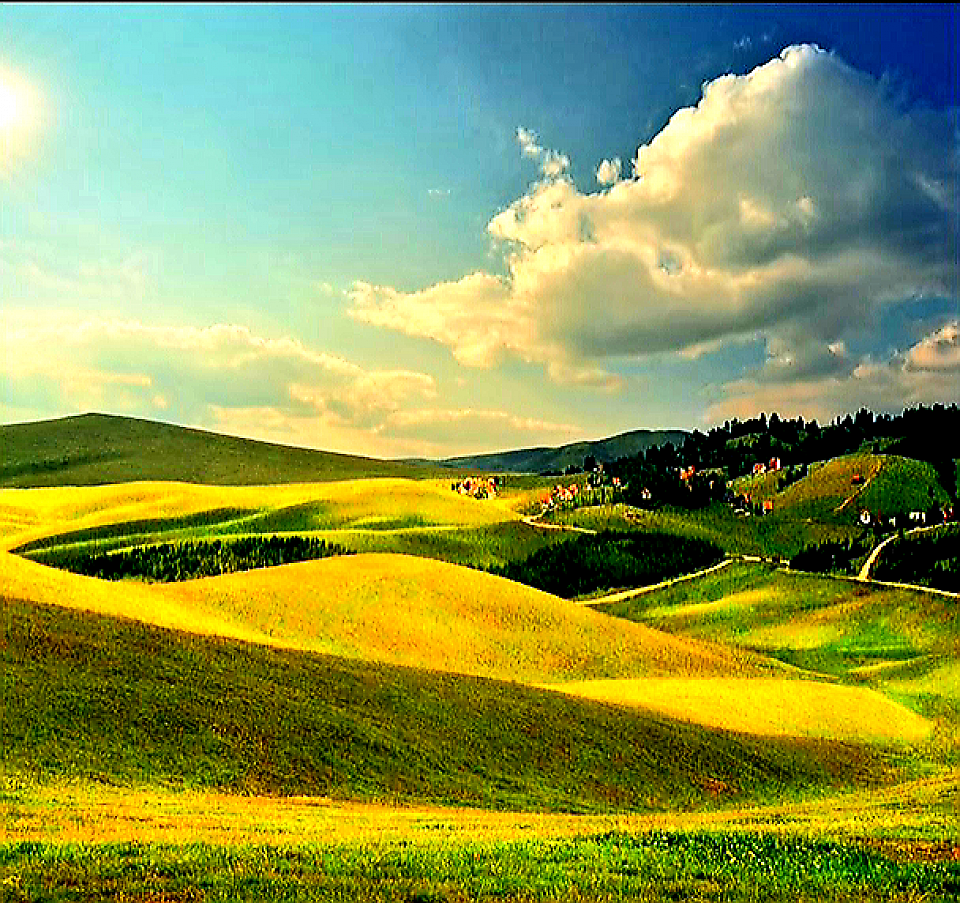
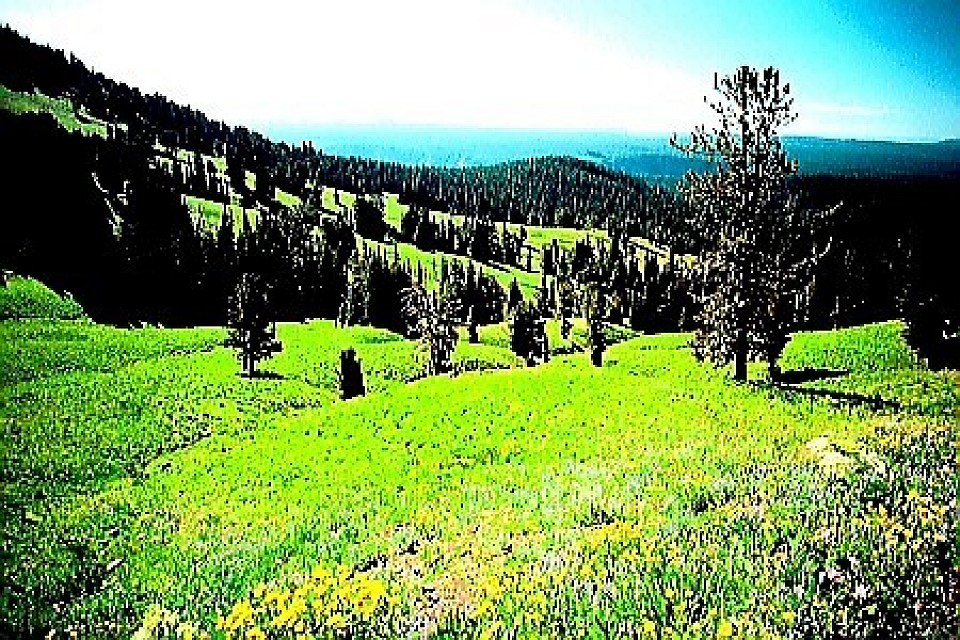
Guardians of cultural heritage and customs – picturesque landscapes of Zlatibor villages with characteristic pine trees and flower fields
Braneshci
Branešci occupies a specific position in the northern part of the Zlatibor plateau, located along the main highway that connects Užice with the center of the mountain. Although it is often only passed through while rushing towards tourist attractions, Branešci is a village that deserves full attention and deep respect. The name of the village, according to folk tradition, comes from the word " to defend ", because it was here, at the entrance to the mountain gorges, that decisive battles were fought to defend Zlatibor from various invaders. This village is at an altitude of about 700 to 800 meters, which provides it with ideal conditions for diverse agriculture. Branešci is more tame than the harsh Tornik or Murtenica ; here the hills are gentler, the pastures are more spacious, and the soil is deeper and more fertile, which is visible in every plantation and every plowed field.
Geographically , Branešci is a crossroads. The Belgrade-Bar railway runs through the village, as does part of the old narrow-gauge railway that was once the lifeblood of the entire region. However, the heart of Branešci is not in traffic, but in the land. Unlike high mountain villages dominated exclusively by livestock farming, cereals, corn and potatoes are grown here with great success. Branešci potatoes are known far and wide for their taste and quality, and the locals are proud that their products end up on the tables of the best restaurants in Belgrade. Here, people live by working in the fields, but it is work that brings mastery. The houses in Branešci are large, often built of stone and brick, with spacious economic yards that speak of the hosts who, over the centuries, knew how to create and preserve wealth.
A special sign of recognition of this village are its mills . The Sušica River and its streams enabled Branešci to be the center of milling for this part of Zlatibor. Once upon a time, every strong family had its own mill or a share in a common one, and the sound of the millstone was the music that meant life. Even today, in Branešci, you can find a few functional mills where real wholemeal flour is ground, without any additives. This flour, ground on a stone, is the basis for the famous Zlatibor polenta and proja, which are prepared here with homemade kajmak. This cult of bread and flour makes Branešci the guardians of basic life values that have been somewhat forgotten in the modern world.
The spiritual life of the village is strong and traditional. The people of Branešci have a deep connection to their Orthodox faith , which can be seen in the numerous small signs around the village. Families here take great pride in the Krsna slava , which is the central event of the year. Then relatives from all over Serbia gather in Branešci, and the meals are so rich that they are talked about for months. The assemblies in Branešci are known for their competitions in folk skills, but also for their superb folk music . The trumpet is a favorite instrument here, and the sounds of trumpet orchestras often echo in the hills above Sušica, announcing the festivities that last until dawn.
The economy of Branešac is successfully adapting to modern trends today. In addition to traditional agricultural production, fruit processing is also increasingly developing in the village. Branešac's plum and apple dryers operate at full capacity during the fall, and the smell of smoke and sweet fruit then spreads throughout the entire area. Also, due to its proximity to the highway, the village has developed a strong craft and trade network. Here you can find craftsmen for everything - from stone processing to the most modern construction works. The locals are bright and enterprising; they do not wait for someone to give them something, but create their own opportunities.
Nature in Branešci offers a special peace . Although the main road is close, most of the hamlets are tucked away in valleys or on hills that offer panoramic views of Tornik and Čigota. The air here is specific – somewhat milder than at the very top of Zlatibor, but extremely rich in oxygen due to the large areas under meadows and low vegetation. Branešci is ideal for those who like long walks through orchards and fields, far from the tourist bustle, but with the feeling that civilization is within reach. In the village area there are also remains of old caravan routes that once went to Bosnia, which gives the village historical depth.
Family surnames in Branešci , such as Pavlovići, Jankovići, Kostadinovići, Tucovići and others, are a symbol of stability. Here, families are not easily abandoned; here, estates are expanded and houses are renovated. Branešci is one of the rare villages that does not have a pronounced problem with the departure of young people, because the fertile land and good location allow a decent life for those who want to work. Erski humor is present here, but it is a shade more subtle than in the mountain peaks; Braneščac will first carefully examine and evaluate you, and only then, over a glass of brandy , will he open his soul and start making jokes at his own and others' expense.
Winter in Branešci brings the image of a true mountain idyll from postcards. Snow covers the wide fields, and smoke from the chimneys of large houses announces a warm atmosphere by the wood-burning stove. Then the village prepares dried meat and sauerkraut, and the hosts have time for socializing and village stories . For travelers passing through to the sea in winter, Branešci is often the first point where they feel the true strength of the Zlatibor winter, but also the warmth of the Zlatibor heart .
Branešci is, in essence, a village of balance. It is neither too high nor too low; it is neither too wild nor too urbanized. It is a place that lives from its hands and its land, proud of its past and confident in its future. Whoever wants to get to know Zlatibor as a fertile and rich mountain must stop in Branešci, taste their bread and feel the strength of their land. This village is proof that the Zlatibor peasant is at the same time a warrior, a farmer, and an artist of life. Branešci is the gate of Zlatibor that is always open to those with good intentions, offering them the best of Zlatibor's fields and mountain heights.
White River
Bela Reka is a peaceful village located in the municipality of Nova Varoš , divided into Donja and Gornja Bela Reka. The village is located on the western slopes of Zlatibor and Murtenica , at about 1,000 meters above sea level. It is surrounded by dense forests and pastures, which gives it a sense of isolation and peace. The houses are scattered across the hills, each with its own garden and water source, and the locals traditionally live from livestock and agriculture.
The Church of the Transfiguration of Christ in Bela Reka belongs to the Bishopric of Novovaroš of the Diocese of Mileševo of the Serbian Orthodox Church . The temple is the spiritual center of the village and a place of gathering for baptismal services and religious holidays. The priest who serves in Bela Reka also comes from the neighboring village of Ljubiša , where he also performs liturgical duties.
Straža is a high position in the vicinity of the village, which has traditionally been used as a landmark and lookout. Local legends speak of it as an old watchtower, and today it is known as part of the hiking trails and lookouts in the Bela Reka area.
Jankovo Polje is located above the village and is a plain that served the locals as a pasture and gathering place. The name has been retained in local tradition and is used as a landmark on surrounding hiking routes.
Nature and life in Bela Reka are harsh but fruitful. Summers and springs offer green pastures and forest fruits such as blueberries and lingonberries, while in winter snow can block the roads. Livestock is raised traditionally, and women know how to weave cloth socks and carpets, while men maintain pastures and forest resources.
The history and customs of the village are centuries of life in the mountains. Baptisms and religious holidays bring the inhabitants together, and folk traditions preserve names and places such as Straža and Jankovo polje. The dialect and folk expressions are preserved in the conversations of the locals, and old folk instruments and songs can still be heard during gatherings.
Demographics show a decline in the population, but many young people return during the holidays to rebuild their family households in Bela Reka . Donja Bela Reka has about 190 inhabitants, and Gornja about 106, which is typical for the western parts of Serbia where young people often leave for the cities.
Tradition and hiking trails connect the village with the surrounding area. Straža and Jankovo Polje are important landmarks for locals and hikers, and hiking trails lead to peaks and viewpoints that offer a panorama of the surrounding mountain ranges. Such local toponyms are part of the heritage preserved in rural culture and folklore.
Bela Reka and its surroundings remain an example of preserved rural life, with spiritual and natural values that attract visitors and researchers.
Draglica
Draglica is a village that stands as a proud sentinel at the southern gate of Zlatibor , located at the crossing point to the Murtenica massif and the Novo Varoš area. This is where the mountain begins to show its harsher, but also more majestic, face. Draglica is not a village for everyone; it is for those who love the scent of century-old conifers, the sharpness of the mountain air and the silence that stretches through the canyon of the Uvac River . At an altitude that at some points exceeds 1,000 meters, Draglica has been known for centuries as a village of highlanders, people of indomitable will and great endurance. According to folk tradition, the name of the village comes from the word " dear " (dear land), because for those who fled from the Turkish army to these cliffs, this hidden corner was a truly precious refuge.
The geography of Draglica is defined by the Murtenica mountain that towers over it and the Uvac river that borders it. The terrain here is extremely mountainous, with deep ravines, dense black pine forests and high glades from which the view reaches the peaks of Zlatar and Tara . The land is sparse, rocky, but the pastures are of exceptional quality and rich in mountain grass that gives milk and cheese a specific aroma. Draglica is known for its springs of cold, clear water that erupts directly from limestone rocks. This area is also one of the last refuges of griffon vultures, which often cruise the skies above the village, reminding the locals of the strength and freedom that only height can provide.
The history of Draglica is a history of the struggle for survival and freedom. Due to its strategic location on the old road to the Sea, the village was often a scene of conflict, but also a safe base for outlaw bands that found refuge in the Murtenica caves in winter. The people of Draglica have always been considered brave warriors and excellent archers, people who do not bend their backs before strangers. Families such as the Lojanice, Grbići, Grujičići and others have guarded their hearths for centuries, passing down stories of the heroism of their ancestors from generation to generation. In Draglica, words are respected more than any contract, and neighborly solidarity is a law that cannot be broken – when the snows of Murtenica fall, a person depends only on God and his first neighbor.
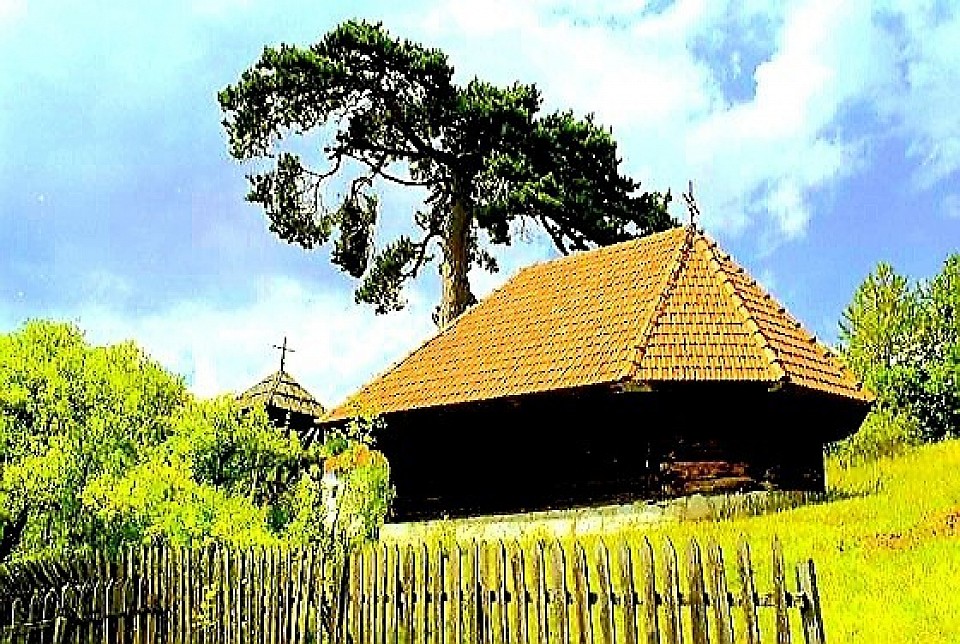
The spiritual life of the village is connected to the Log Church in Draglica , dedicated to the Holy Trinity , which is a true pearl of the Zlatibor region, which preserves the spirit of our tradition with its noble wooden architecture. This sanctuary was lovingly built on the foundations of older places of worship, combining the skill of modern craftsmen with the modesty of past centuries. Located in the midst of untouched nature, it offers peace to every passerby and with its harmonious form reminds of the unbreakable connection between faith, man and the mountain landscape. The people of Draglica are deeply traditional and connected to nature. Although life here was difficult, the people of Draglica never lost their faith. In the village, you can still find the remains of old log cabins and katuns , which speak of the modest but dignified life of the highlanders. Customs are the "law" here; Holidays are celebrated with a full table, no matter how difficult the year, and the sound of the song "iz vik" can still be heard when the mowers gather on the summer slopes. Draglica is a place where the past is still lived, not just retold.
The nature of Draglica offers surreal scenes that cannot be found in tourist brochures. The canyon of the Uvac River , which can be reached by goat tracks from Draglica, is one of the greatest natural gems of Serbia. The air in this village is healing, full of the scent of pine resin and mountain flowers, which makes it ideal for those seeking complete recovery of body and spirit. A walk through Draglica is an exercise for the body, but also a balm for the eyes – each hill reveals a new panorama that reminds you of how small man is in front of the power of the mountain.
Economically , Draglica is today tied to the timber industry and traditional livestock farming. The people of Draglica are known as excellent woodcutters and woodworking masters; Murtenici pine is the most prized material here, from which the most durable houses and log cabins are made. In addition to forestry, the best lambs are raised here, which graze on untouched mountain pastures. There is also increasing interest in organic food production, because the land in Draglica has never seen artificial fertilizers or chemicals. Rural tourism is in its infancy here, but those who come to Draglica come for true wilderness, not for luxury.
One of the interesting things about Draglica is the old laborers, people who used ox teams to pull trees from the forestsof Murtenica . Although machines have replaced oxen today, the spirit of laborers still lives on through the stories of the locals and their specific relationship with nature. Draglica is also a village where you can still find old types of fruit that have long since died out in the lowlands, but which survive here thanks to the specific mountain microclimate.
Winter in Draglica is a special story. When Murtenica turns white and the wind brings snow from Peshter, the village becomes cut off from the world. Then Draglica sleeps under a thick white blanket, and life takes place inside the houses, with warm fireplaces and stories that last until late at night. Winter here has its own special beauty – everything is quiet, white and peaceful, and every sunrise over the Murtenica peaks looks like a scene from another planet. For the people of Draglica, winter is a time when the fruits of labor are gathered and when the mountain is respected more than ever.
Draglica is, in essence, a symbol of Zlatibor's rebelliousness and beauty that is not easily conquered. It is a village for those who seek the truth, for those who are not afraid of heights and for those who know how to listen to the silence of the mountains. A visit to Draglica is a return to the roots, a reminder of what it means to be a part of nature and how to live with dignity on the edge between heaven and earth. Draglica teaches us that what is "precious" is always hidden and that true beauty requires a little effort.
Flat
Ravni is a village that promises peace with its name, and with its nature it offers much more – it is one of the most beautiful plateaus on the northeastern edge of Zlatibor. While many surrounding villages are scattered along steep ravines, Ravni is spread out on a gently undulating plateau that resembles a giant green palm tree. This place has a deep history; it was first mentioned in Turkish defters in 1476 .
The geography of Ravni is what makes this village a natural fortress. It is bordered by the canyons of the Prištavica and Veliki Rzav rivers. From an altitude of 952 meters ( Bjelovac peak ), the view stretches to the unreal depths of the canyon of the cleanest river in Serbia . The land here is fertile and "heavy", capable of producing the best wheat, but the area is best known for its fruit growing. The Đoković family and many other homesteaders have transformed this Podzlatibor area into endless raspberry and plum plantations.
The history of Ravni is a history of heroes. This village and its immediate surroundings have produced as many as five generals , including three chiefs of general staff. Mihailo Radović , prince and duke of Zlatibor, one of the organizers of the First Serbian Uprising , also lived here.
The economy today is based on modern livestock farming and fruit growing. Ravni is known for its traditional brandy production and trout ponds on the banks of the Rzav River. Since 1974, " Meetings of Amateur Groups " have been held here, preserving the original folk melody. Whoever comes to Ravni feels the breadth and freedom that only this plateau can provide.
Golovo
Golovo is a village nestled between Čajetina and Mushvet , just 8 kilometers from the administrative center of Zlatibor . Its slopes gently slope down to the Sušica River valley, creating the atmosphere of a pure, untouched village where time is still measured by the grassy slopes. The name comes from the word “ golo ”, which describes the grassy heights above the village, but Golovo is anything but deserted. At around 850 meters above sea level, it is the perfect place for those who love a true mountain setting.
The geography of Golovo is defined by a series of hills that create an intimate space for families like the Pavlović, Janković and Kostadinović families. The soil here is not too rocky, which has allowed livestock farming to become an art. Golovski kajmak and cheese are widely known, as the cattle graze on pastures for which the locals say that “one handful of hay from Golovo is worth two from the lowlands”. Small streams and numerous springs of drinking water run through the village, and the air is protected by pine and birch forests.
The greatest spiritual treasure of this region is the Temple of Archangel Gabriel in Čajetina . In Golovo, the house threshold and the custom of " moba " are still respected, when the entire village helps the host with the harvest. Tourism here is not commercial; it is an invitation to the guest to live with the hosts, eat the food harvested that morning and feel the strength of the Zlatibor soul that is not sold, but lived.
Trnava, Vodice
Trnava
Trnava is located at the transition between the undulating Zlatibor plateau and the somewhat steeper slopes leading to the river valleys. As an immediate neighbor of Rožanstvo and Sirogojno , Trnava shares the archaic peace and beauty of eastern Zlatibor , but has its own, unique character. The name of the village comes from the thorns that once grew lushly in these areas, serving as a natural fence for flocks of sheep and protection from uninvited guests. Today, Trnava is a tame, open and homely village, located at an altitude of about 800 meters, where the air is mixed with the scent of medicinal herbs and freshly cut grass. It is a gateway that leads to the underground world of Zlatibor, but also a place where life unfolds on the surface in its purest, most original form.
The greatest natural phenomenon that is inextricably linked to the name of this village is Stopića Cave . Although the entrance to this world-famous cave is geographically on the border, the people of Trnava consider it their own, because the Trnava stream flows through it and gives it life. This cave is a masterpiece of nature, known for its huge entrances and unique bigre tubs that, during rainy periods, fill with water and overflow in the form of unreal cascades. For the locals of Trnava, the cave has never been just a tourist attraction; over the centuries it has been a natural refrigerator for storing food, a refuge during Turkish attacks and a place of a source of cold water that never dries up. Today, when thousands of people pass through its corridors, Trnava stands above it as a proud host, keeping the secret of how the mountain was carved from the inside for thousands of years.
The spirituality of Trnava is gathered around local shrines and places of prayer, which are often simple but filled with deep faith. The village has a strong tradition of family processions and joint prayers for a fruitful year. The people of Trnava are known as people who highly respect the “red letter” and customs related to the protection of livestock and crops. Their faith is not obtrusive, it is quiet and deep, woven into everyday affairs. The Trnava councils are an opportunity to remember the glorious ancestors who came here from Herzegovina and Montenegro, bringing with them a strong faith and an indomitable character. In the village, one can often hear stories about old wooden crosses that once stood on the hills as guards against hail and disasters.
The economy of Trnava is an example of Zlatibor's industriousness. The village is known for its fruit growing, especially plum and raspberry plantations, which bring exceptional yields here due to the specific sun exposure of the slopes. Trnava brandy is on a par with plum brandy in terms of quality, but has a specific note due to the slightly different composition of the soil. Livestock breeding is still the mainstay of survival for many families. Trnava is known for its large flocks of sheep that roam the pastures around the cave, and the wool from Trnava has been considered the best for making heavy mountain coats for centuries. Today, the hardworking hands of Trnava women still knit socks and sweaters , preserving a craft that is slowly dying out in the cities, but here it is the pride of every house.
A special attraction of Trnava is its connection with folk medicine . Due to its wealth of specific types of herbs that grow only in this part of the mountain, Trnava has always had people who knew the secrets of herbs. Here, St. John's wort, yarrow and lingonberry are not just picked casually; the locals know exactly at what time of day and on which slope the plant has the greatest strength. The secret of "Trnava teas " and balms is passed down within families, and many travelers stop by this village specifically to seek a natural cure for their ailments. This connection with the land and its medicinal fruits makes the inhabitants of Trnava vital and long-lived people.
Family trees in Trnava are deep and branched. Families such as the Stopići, Mićići, Radulovići, Lukovići and others form the solid structure of the village. Here, togetherness is best seen during field work or when someone needs help roofing the house. The spirit of the Erski in Trnava is imbued with ingenuity and that “Trnava stubbornness ” – when everyone says something can’t be done, a Trnava resident will find a way to make it happen. Their hospitality is legendary; a traveler who wanders into the Trnava hamlets will never leave hungry or thirsty. The host will bring out “whatever God gives”, and in Zlatibor this means the best prosciutto, cheese that is pressed in vats and bread from the oven.
The nature of Trnava also offers beautiful viewpoints from which you can see the valley of the Katušnica River and the peaks of neighboring villages. The paths through the village are suitable for easy walks, but also for those who want to explore the hidden entrances to smaller, unexplored caves that abound in this area. The air in Trnava is specific due to the large amount of negative ions that come from the evaporation of groundwater, which creates a feeling of lightness and clarity of mind. Many say that Trnava is where “the best thoughts are” because the silence, interrupted only by the sound of crickets and the distant bells of cattle, allows you to completely return to yourself.
Winter in Trnava is quiet and white. When the snow covers the entrances to the caves and when the frost clings to the branches of the thorn tree after which the village was named, Trnava becomes a true winter fairy tale. Then life moves to the cellars where brandy is brewed and to the rooms where stories are told by the wood-burning stove about buried treasure, about the fairies who live in the depths of the Stopić Cave and about the heroes who set out from here to fight for freedom. Trnava is a place where tradition is not just a written word, but a living practice that can be felt in every movement of the hosts and every spoken word.
Since 1993, the art colony " Trnava-Vladimir Mitrović " has been organized in Trnava every August and brings together painters and sculptors from Serbia and abroad to create new works inspired by the surrounding landscapes and tradition in a natural setting. Over the years, this colony has become one of the most recognizable traditional cultural events in the Zlatibor region and continues to attract a variety of artists.
Anyone who wants to get to know the true face of eastern Zlatibor must visit Trnava. It is much more than a passing station on the way to the cave; it is the heart of mountain livestock farming and crafts. Trnava teaches us that true beauty lies in the balance between what is above and what is below the ground. This is a village that welcomes you with the calmness of old sages, offering you the freshness of the springs and the warmth of the home hearth. Trnava is Zlatibor's guardian of time, a place where every stone and every blade of grass is respected as part of a great family story that has lasted for centuries.
Vodice
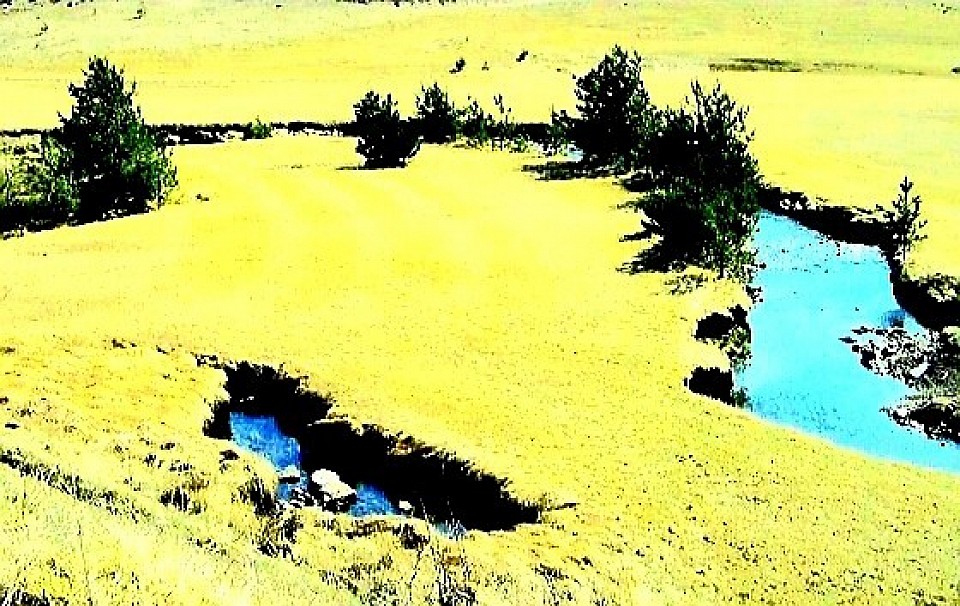
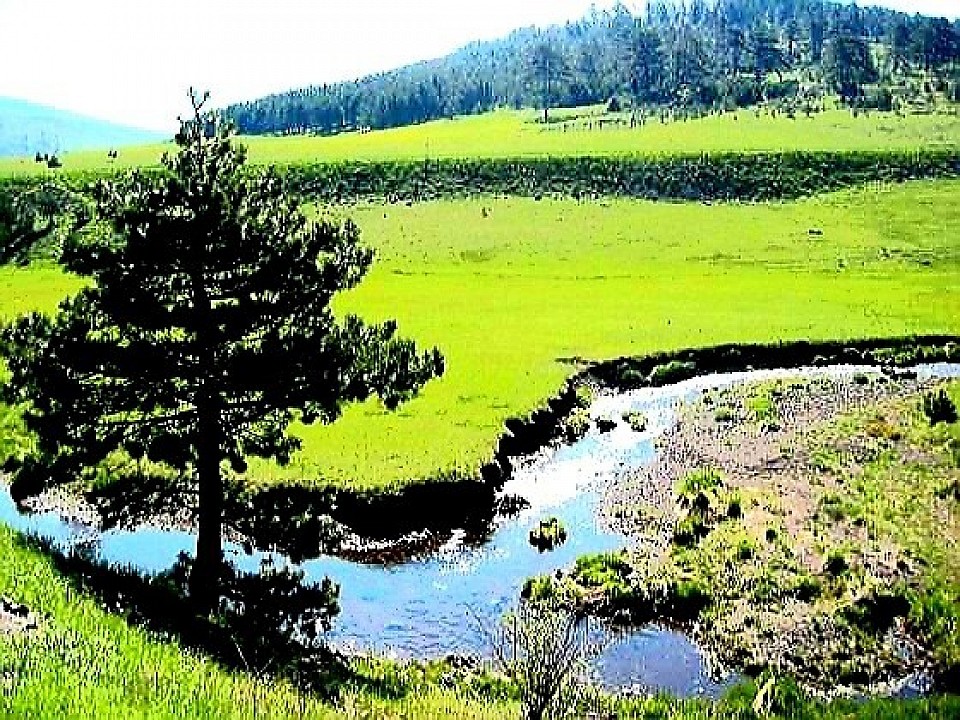
Vodice is perhaps the most picturesque part of Zlatibor, a place where the mountain ceases to be harsh and becomes unreally gentle and tame. Located about ten kilometers south of the tourist center , Vodice is a landscape that seems to have been sculpted for artists and dreamers. This is a wide field through which the Crni Rzav River meanders lazily and silently, making water loops through unreally green pastures interspersed with century-old solitary pine trees. The name of the village says it all – there is water everywhere here, it springs from every hill, flows through every ravine and gives life in this area a special freshness. At an altitude of about 1,000 meters, Vodice is actually a plateau within a plateau, a place where the air always smells of wet grass and resin, even in the midst of the hottest summer.
The geography of Vodice is unique in the entire Zlatibor. There are no large differences in altitude within the field itself, but the views are endless. The Crni Rzav is the main architect of the landscape here. Its bed is shallow, and the water is crystal clear and cold, so clean that you can still see brown trout in it. Around the river are pastures that are always greener than anywhere else, because numerous springs irrigate them naturally. The pine trees in Vodice are not a dense forest, but often grow singly or in small groups, creating those recognizable "Zlatibor scenery" that have been on the covers of all tourist brochures for decades. This is a space that does not suffocate you, but rather expands your lungs and horizons.
The history of Vodice is a history of rest and refreshment. Since ancient times, caravans have passed through here, and Vodice was a mandatory stopover due to the rich pasture and drinking water. Horses and people rested here before setting off into the harsh Murtenica mountains or towards Bosnia. The residents of Vodice , families such as the Lojanice, Smiljanići, Didanovići and others, have always been known as excellent hosts who knew how to appreciate the beauty of the area in which they live. Vodice was among the first places on Zlatibor where private cottages and holiday homes were built, back when mountain tourism was in its infancy. Old Vodice residents say that anyone who spends a night here with the murmur of the Rzava River can never again calm down in the city noise.
Spiritual life in Vodice is inextricably linked to the Church of the Transfiguration of the Lord in Zlasibor and the Church of St. Elijah - the log church in Dobroselica , as well as the very respect for nature. Here, nature feels like a living creature. The tradition of gathering near the " zapi " or old pine trees still lives on through the stories of the oldest. Vodice is a place where the harmony of the locals and the people who have come here to find peace can best be seen. Every celebration in Vodice is special because it is celebrated under the clear sky, with the scent of the mountain field. There are no large buildings here that block the sun; people in Vodice live facing the sky and their spacious meadows.
The economy of Vodice is a combination of traditional livestock farming and modern, high-quality rural tourism . The pastures in Vodice produce the juiciest milk, and the cream from this region is especially appreciated for its fat content and the scent of mountain flowers. In recent decades, Vodice has become an elite vacation spot , but not in a kitschy way. The houses for rent here are mostly made of natural materials, integrated into the landscape so as not to disturb the peace of the river. Many artists, painters and writers have chosen Vodice as their temporary or permanent homes, because the silence offered by this field does not exist anywhere else in the world. Collecting medicinal herbs and blueberries in the surrounding hills is also an important part of the lives of the locals, and the products made here carry the pure energy of the mountains.
A special charm of Vodice are its meanders. Following the course of the Rzava through the fields is a kind of meditation. The river turns almost 180 degrees in several places, creating small islands and peninsulas where cattle graze peacefully. Vodice is also a paradise for fishermen who know how to appreciate the challenge of a mountain river. The air here is unreal; due to the specific current along the riverbed, it is always a few degrees cooler here than in the center of Zlatibor, which makes Vodice a perfect refuge during the summer heat. Vodice also offers one of the most beautiful views of the peak of Čigota , which rises in the background like a stone sentinel above this mountain paradise.
Winter in Vodice is a scene from the most beautiful winter fairy tales . When snow covers the meanders of the Rzava River , and the river continues to flow like a dark line through the perfect whiteness, the landscape becomes unreal. The snow here falls calmly and for a long time, creating high levees that give the pines the appearance of guardians in white armor. In winter, Vodice is completely silent, interrupted only by the sound of water that does not allow the ice to completely encase it. This is the time when the best mountain specialties are prepared in log cabins with a crackling fire, when mulled wine is drunk and when time is measured by the length of a burning log.
Vodice is, in essence, the most beautiful face of Zlatibor. They are proof that a mountain can be gentle, tame, and infinitely beautiful in its simplicity. You don't have to explore Vodice hard; just observing them is enough. They are a place where the soul rests from the mere sight of the river and pine trees. For anyone who wants to feel the true peace of Zlatibor, the one that is not disturbed by construction machinery and noise, Vodice is a destination that has no alternative. It is a village that teaches you how to slow down, how to breathe deeply, and how to love every stone and every drop of water that flows towards its goal.
Šainovci, Rakovica, Mushvete, Čajetina